OMG, you guys, like, music in movies? Groundbreaking. 🙄 It’s not just some random noise to fill the void while you’re shoving popcorn in your face; it’s, like, *totally* emotion and stuff. Composers, bless their little hearts, have apparently shown us that music can, like, shape the whole movie experience. Who knew? 😱 Gamers are searching for Pragmatic Games engaging demos, moviegoers are searching for scores, it is all so complex. 🤯 It’s, like, magic when the sounds and images get together. ✨
Why Film Scores Matter (allegedly)
So, apparently, music tells you things that words CAN’T. 🤯 Like, duh, that’s why we have emojis. A single beep or boop can remind you of a character or something. That’s why when Zimmer’s “Time” from Inception plays, everyone’s supposed to know it means, like, reflection and closure. Or maybe it just means it’s time to check your phone. 📱
Great composers understand rhythm just as much as directors understand light. Together they make something beyond the screen. 😴
The So-Called Masters of Magic (lol)
Over the last decade, apparently three composers have defined modern cinema: Hans Zimmer, Hildur Guðnadóttir, and Ludwig Göransson. I’m sure you’ve heard of them. 🙄
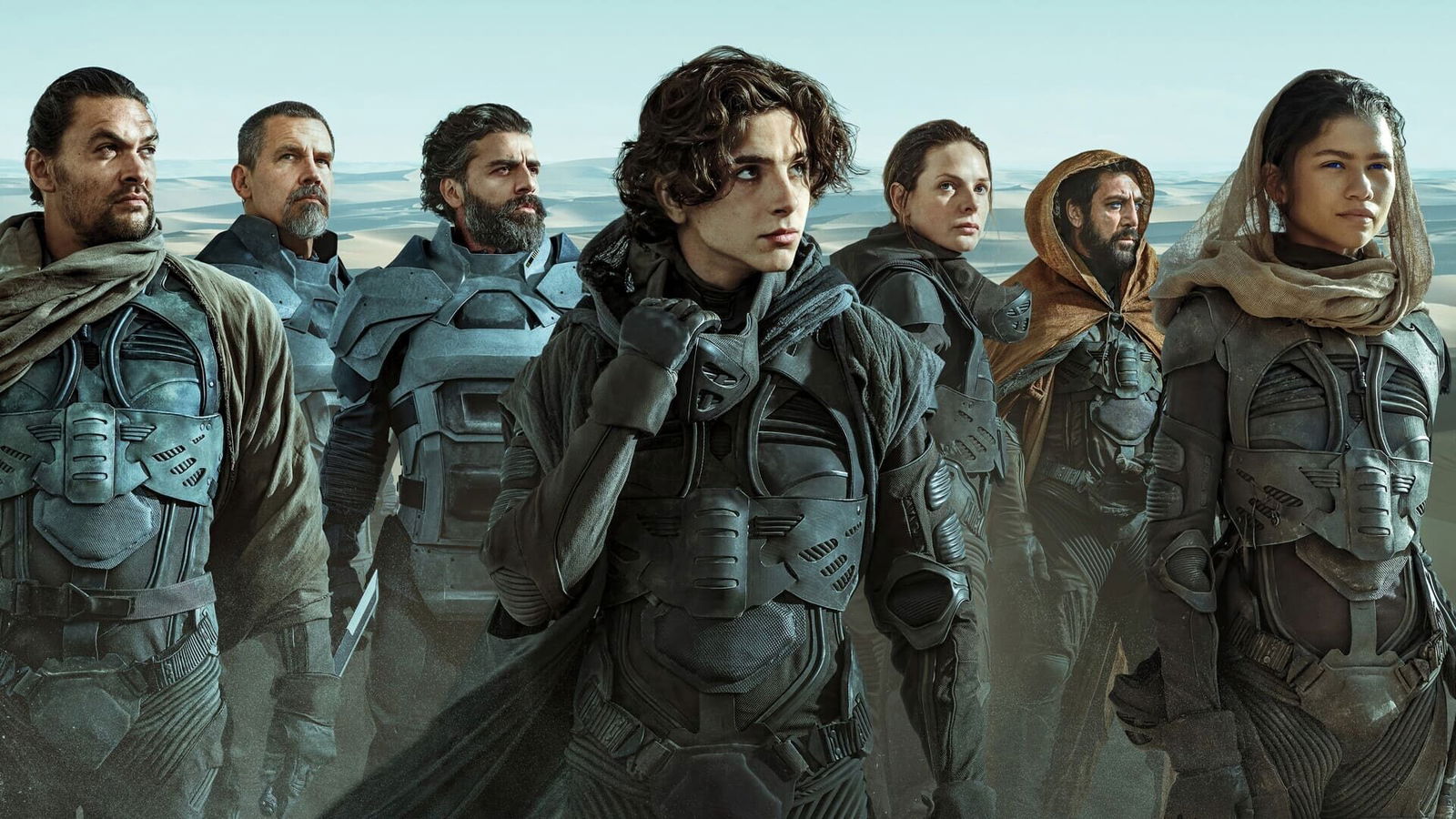
Zimmer’s scores, from Interstellar to Dune, are supposedly “bold and immense.” Okay, maybe if you’re into that whole dramatic, over-the-top thing. Guðnadóttir, on the other hand, is all about being “intimate and minimal.” Her Joker score won an Oscar because silence felt “heavy.” Maybe it was just awkward. 😬
Göransson apparently bridges tradition and innovation. His Black Panther soundtrack was “world-building.” Whatever that means. His Oppenheimer score captured “human fragility.” Did it capture people leaving the theater early because it was 3 hours long? 🤔
Music Beyond the Movies (as if)
Great scores don’t stay in theatres. They travel into commercials, sports events, and even your grandma’s Facebook videos. Zimmer’s “Cornfield Chase” is in “everything.” Göransson’s Black Panther theme became a “cultural anthem.” For real? 🤨
These sounds remind us how music shapes collective emotion. You don’t just hear them, you *feel* them. Or maybe you just roll your eyes. 🙄
How Soundtracks Evolve (or devolve)
Technology has changed how film music is made. With digital tools, a composer can work with musicians all over the world without ever leaving their basement. 🌍
But even with all the innovation, emotion remains “human.” A machine can’t decide when silence matters most. But maybe it should, because some of these scores are just noise pollution. 🚨
A New Wave of Sound (aka More of the Same)
Film music has been changed by big names and “newcomers.” Some of these newcomers don’t even know what instruments to use. They either use weird sounds or make something so basic it challenges our hearing. 👂
The artists are apparently conveying that music can be “subtler.” Sometimes, a single note can be more memorable than a movie theme. The new musicians are exploring “emotional and experimental sides.” As if cinema wasn’t already weird enough. 🤪
What Comes Next (probably more sequels)
The next decade will open new doors. Composers might let “orchestral warmth meet the pulse of electronic music.” Or maybe they’ll just recycle the same sounds. ♻️
But one thing won’t change: audiences want “authenticity.” No matter the technology, what moves us will always be the same – that “perfect note at the perfect moment.” Or maybe just the end credits so we can finally leave. 🚪
Film music defines memory. It’s the invisible thread that ties us to the stories we “love.” From Zimmer’s “cosmic wonder” to Guðnadóttir’s “chilling intimacy,” composers have shown that sound *is* the movie. Is it, though? 🤨
And as cinema evolves, the score will continue to be its heartbeat. Timeless, emotional, and totally overrated. 🥱

Pixel P. Snarkbyte, widely regarded as the “Shakespeare of Sh*tposts,” is a video game expert with a unique knack for turning pixels into punchlines.
Born in the small town of Respawn, Pennsylvania, Pixel grew up mashing buttons on an ancient NES controller, firmly believing that “blowing into the cartridge” was a sacred ritual passed down through generations.
Pixel P. Snarkbyte: proving that life, much like a buggy open-world game, is better with a little lag-induced chaos.
⚖️ ENTER THE LEGALIZER
Think the government has no idea what it's doing? Put your case before the Federal Case Terminal and find out.