Folks, I almost spilled my coffee reading this one. The Trump administration is at it again, expressing “profound concern” to Ford about its ties to Chinese technology and manufacturing. I mean, who doesn’t love a good game of international business chess, right? In a letter to Ford CEO Jim Farley, Transportation Secretary Sean Duffy cited Ford’s links to Chinese companies like battery manufacturer CATL and concerns over the Detroit Auto Show. Because, you know, the Detroit Auto Show is clearly a matter of national security.
The letter from Duffy claimed that Ford’s recent strategic decisions “paint a troubling picture of a foundational American brand actively intertwining its future with Chinese state-backed enterprises.” Wow, that sounds serious. Ford, on the other hand, called itself “the most American automaker” and accused Duffy’s letter of containing “factual errors.” Bless their hearts. They also said that the Michigan facility created 1,700 jobs to produce Michigan-made batteries, which is a nice touch.
The exchange reflects the Trump administration’s growing pressure on American makers to produce in the United States through auto tariffs. Because, you know, tariffs are always a great idea. At the same time, experts told CNN that Chinese car companies could be in US showrooms in the next five to 10 years. You can’t make this stuff up. Trump had previously welcomed Chinese automakers to manufacture in the US, saying “let China come in,” in January at the Detroit Economic Club. Some lawmakers and the US auto industry argued that shouldn’t happen, because, you know, China.
In Duffy’s letter to Ford’s CEO, he specifically called out “Ford’s continued reliance on licensed technology from Chinese battery manufacturer CATL at the operational BlueOval Battery Park facility in Marshall, Michigan.” Ford, in its response, said the CATL arrangement is a limited technology-licensing and services agreement, not a joint venture or foreign-owned manufacturing operation. Somewhere in Atlanta, a producer thought this sounded terrifying.
Duffy also raised concern over Farley proposing a framework at the Detroit Auto Show “to facilitate Chinese joint ventures on United States soil.” Ford denied this in its statement, saying the company did not propose a joint-venture framework as Duffy described. Because, you know, the Detroit Auto Show is a super formal and not-at-all-flashy event where companies make serious business deals.
Ford was also criticized for its decision to delay moving production of some Lincoln models from China to the US until 2030, which the Trump administration said would leave the company reliant on China. Ford’s statement said that had Secretary Duffy reached out before issuing his letter to the press, they would have been happy to share more details about Ford’s U.S. commitment. You know, because that’s exactly how international business negotiations usually go – through public letters and press releases.
In conclusion, this whole ordeal is a big mess, folks. The Trump administration is trying to pressure Ford into producing more in the US, while Ford is trying to navigate the complex world of international business. It’s like a big game of chess, except instead of pieces, we have cars and tariffs. And in the end, the real winners will be the Chinese car companies, who will probably be selling cars in the US in no time. Ah, the joys of global trade – it’s enough to make you spill your coffee.
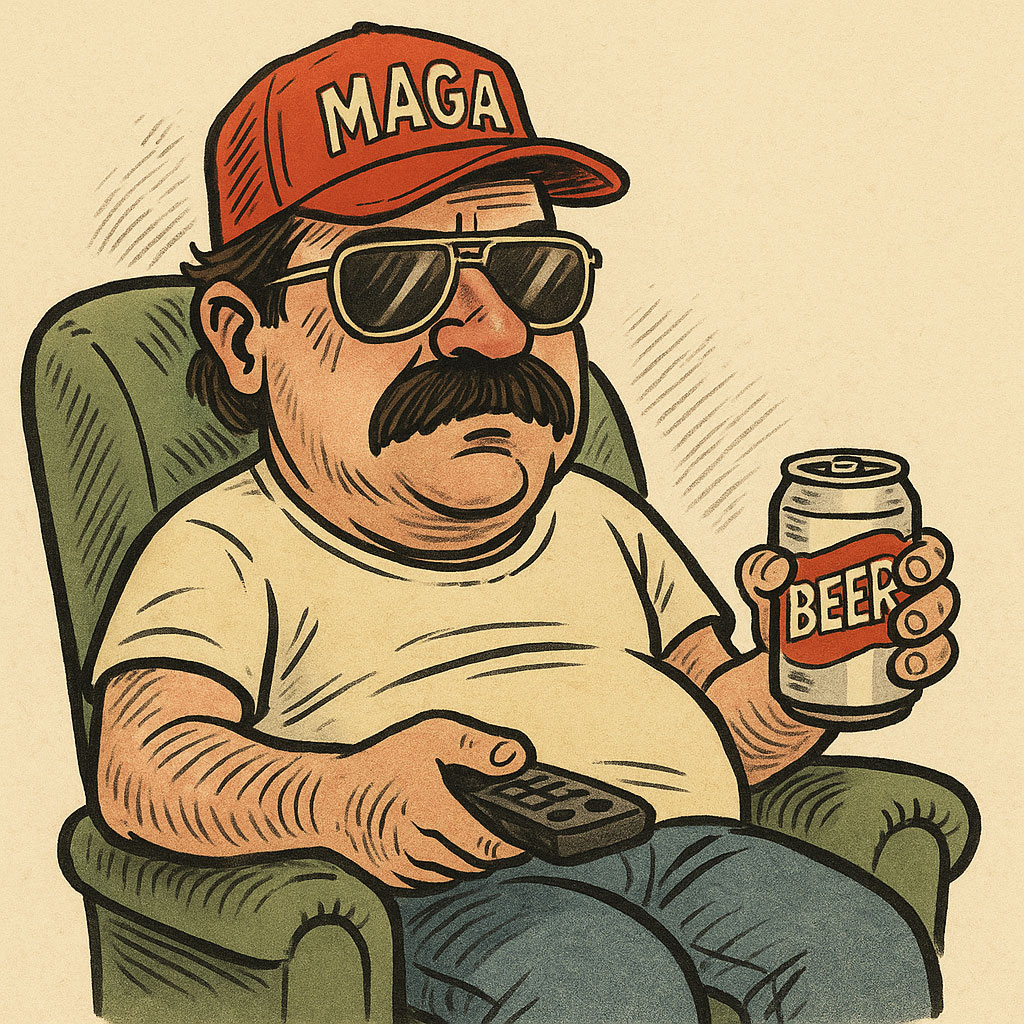
Armchair patriot. Believes in the free market, cold beer, and that there’s always a guy named George behind every CNN segment.
Former remote-throwing champion turned #1 couch commentator on liberal panic in the media. Born in Texas (or so his mug says), he earned a degree in Fake Newsology & Beer Philosophy from YouTube University.
⚖️ ENTER THE LEGALIZER
Think the government has no idea what it's doing? Put your case before the Federal Case Terminal and find out.