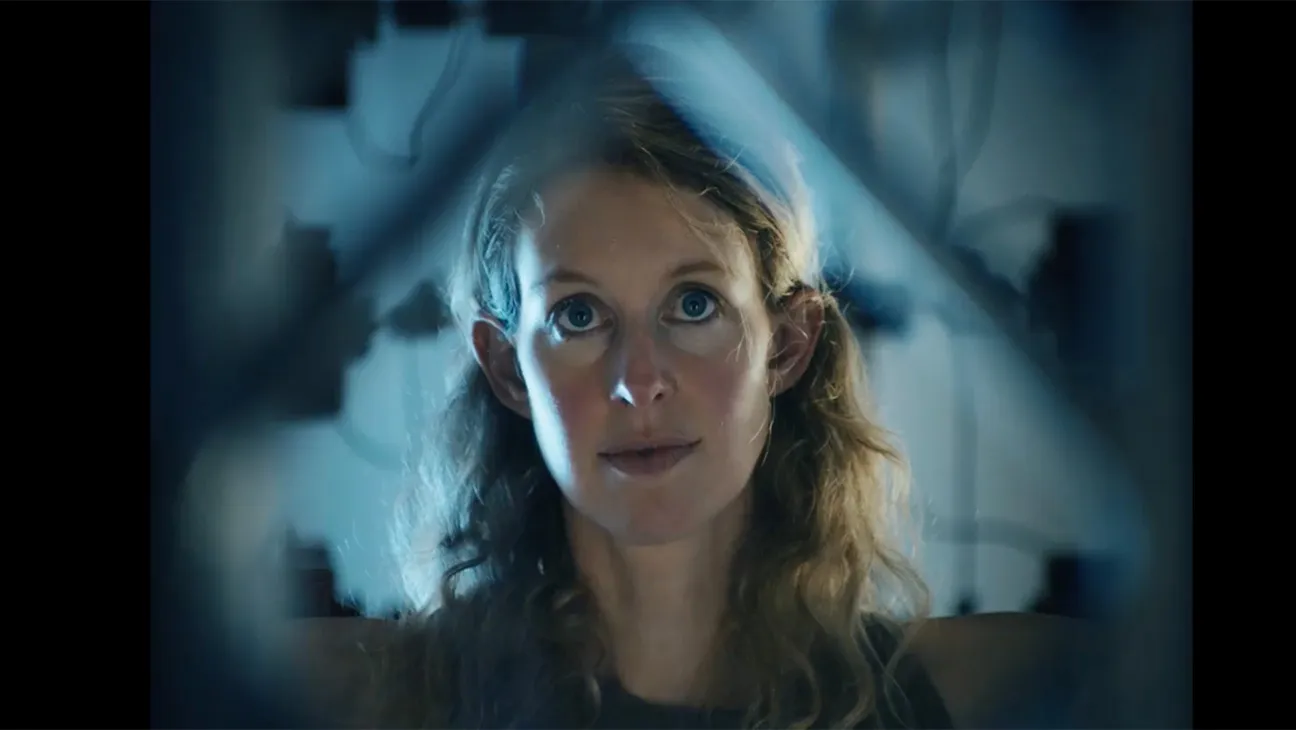
You Can See Everything, the latest documentary from Nathan Fielder and Lance Oppenheim, has taken the film world by storm. Just a few weeks ago, nobody knew the film existed, and now it’s selling out theaters and earning rave reviews, with many calling it the best film of 2026. It’s even poised to become the first documentary ever nominated for the Academy Award for Best Picture. Because, you know, the Oscars were just missing a three-hour documentary about Elizabeth Holmes to really make them relevant again.
The film breaks with traditional documentary conventions by including reenactments, elliptical editing, and on-camera appearances from the filmmakers themselves as they try to determine whether Holmes is a charlatan or a victim. It’s a clever, exciting film, but let’s be real, it’s not like it’s the first documentary to question its own form or blend fiction and non-fiction. I mean, come on, Hollywood has been “pushing boundaries” and “challenging the status quo” for decades now. It’s just what they do.
If you’re hungry for more documentaries like You Can See Everything, there are plenty of other films out there that explore similar themes and ideas. For example, you could check out Gimme Shelter, a landmark concert documentary from 1970 that follows the Rolling Stones on their US tour. The film is notable not just for its music, but for the way it shows the Stones watching and commenting on their own performances, both on and off camera. It’s a clever play on the idea of “the real” and how it’s constructed, which is similar to the way You Can See Everything grapples with the enigmatic figure of Elizabeth Holmes.
Other Documentaries You Might Enjoy
Another film that comes to mind is F For Fake, Orson Welles’s 1973 documentary about fraud and deception. The film is a delightful late-career masterpiece that explores the history of notable fakes and falsifiers, including Welles himself. Like You Can See Everything, it’s a film that blurs the line between fact and fiction, and raises important questions about the nature of truth and reality.
You could also check out Sherman’s March, a 1986 documentary by Ross McElwee that’s part personal memoir, part historical exploration. The film is a self-described “meditation on the possibility of romantic love in the South during an era of nuclear weapons proliferation,” which is just as pretentious as it sounds. But hey, at least it’s honest about its own pretensions, right? McElwee’s film is a great example of the kind of personal, experimental filmmaking that You Can See Everything embodies.
Other documentaries that explore similar themes and ideas include Close-Up, Abbas Kiarostami’s 1990 film about a true-crime case involving an Iranian man who impersonated a famous director; Stories We Tell, Sarah Polley’s 2012 film about her own family history and the power of storytelling; and The Act of Killing, Joshua Oppenheimer’s 2012 film about former Indonesian death squad leaders who reenact their crimes for the camera. Because what’s more entertaining than watching former death squad leaders reenact their crimes? I mean, it’s not like we have better things to watch, like cat videos or something.
The Blurred Line Between Fact and Fiction
You Can See Everything is just the latest example of a documentary that blurs the line between fact and fiction. It’s a trend that’s been going on for decades now, and it shows no signs of slowing down. In fact, it’s becoming increasingly difficult to tell what’s real and what’s not, even in documentaries that are supposed to be factual. I mean, who needs truth when you have a good story, right? And that’s what it’s all about: telling a good story, not necessarily telling the truth.
Actress, Robert Greene’s 2014 film about an out-of-work actress and mother, is another great example of this trend. The film is a “nonfiction/melodrama hybrid” that explores the line between reality and performance, and raises important questions about the nature of identity and self-presentation. Because, you know, that’s what documentaries are all about: exploring the human condition and selling merchandise.
And then there’s Ren Faire, Lance Oppenheim’s 2024 documentary miniseries about the Texas Renaissance Festival. The film is an entertaining and often hilarious look at the behind-the-scenes power struggles and personalities that shape the festival, and it’s a great example of the kind of fun, lighthearted storytelling that You Can See Everything embodies. Because who doesn’t love a good Renaissance festival, am I right? I mean, it’s not like we have better things to do, like watch paint dry or something.
In the end, You Can See Everything is just the latest example of Hollywood’s annual Nostalgia Harvest, where they take old ideas and repackage them as new and exciting. But hey, at least they’re consistent, right? And who knows, maybe someday they’ll come up with something original. But until then, we’re stuck with the same old rehashed ideas and tired trends. Joy.

Finn McFrame, celebrated satirical mastermind and self-proclaimed “Emperor of Irony,” started his illustrious career as a cinematographer, where his expertise in capturing every single frame of a squirrel stealing a baguette earned him accolades at obscure film festivals.
Born in the glamorous town of Boring, Oregon, Finn grew up with dreams of being a Hollywood director until he realized that satire, not cinema, was his true calling—or at least the one that let him sleep until noon.
Finn McFrame: changing the world, one satirical lens flare at a time.
⚖️ ENTER THE LEGALIZER
Think the government has no idea what it's doing? Put your case before the Federal Case Terminal and find out.