
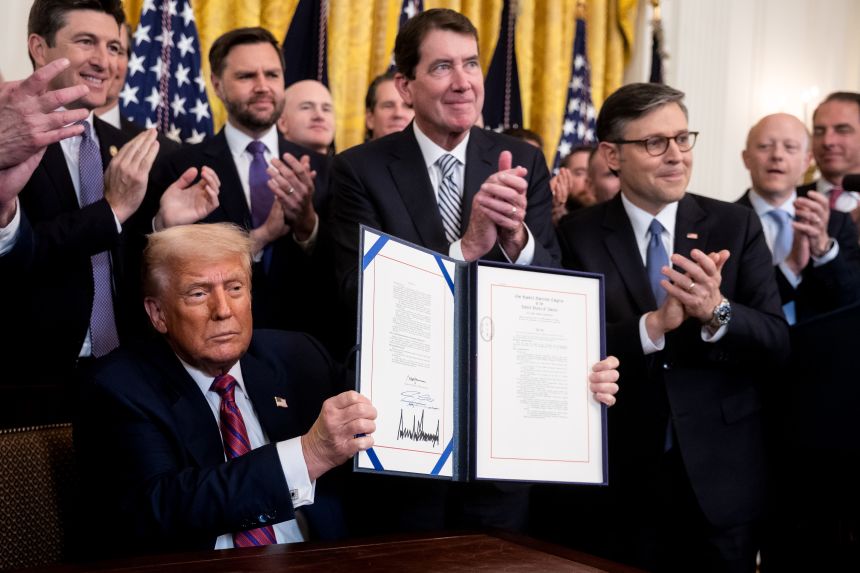
The Trump administration has been pushing for a new cryptocurrency law, and folks, I almost spilled my coffee reading about the pressure they’re putting on law enforcement officials to support it. The law, known as the Clarity Act, has been facing opposition in the Senate, with some lawmakers raising concerns that it could be exploited by narcotraffickers, terrorists, and other criminal groups. The administration, however, claims that the law would bring regulatory certainty to the digital currency industry and help law enforcement go after illicit activity.
The Trump administration has been campaigning hard for this law, with White House officials, Republican lawmakers, and acting Attorney General Todd Blanche all trying to drum up support. They’ve even enlisted the help of law enforcement groups, with Patrick Witt, a Pentagon official and executive director of the President’s Council of Advisors for Digital Assets, leaning on officials at the FBI and other agencies to join the effort. Bless their hearts, it seems like they’re trying to get everyone on board with this thing.
But not everyone is convinced. Some law enforcement groups, including the National District Attorneys Association and the International Association of Chiefs of Police, have warned that the proposed law doesn’t do enough to ensure transparency and accountability among crypto companies. They’re worried that it could leave loopholes for criminals to exploit, and that’s a pretty valid concern if you ask me. You can’t make this stuff up – the idea that a law meant to regulate cryptocurrency could actually make it easier for bad guys to use it for nefarious purposes is just crazy.
The crypto industry, on the other hand, is all for the law, saying it would help companies comply with legal requirements and keep criminals from using their platforms. Faryar Shirzad, chief policy officer for Coinbase, told CNN that the law would advance law enforcement’s ability to go after illicit activity, and that’s a pretty big deal. But critics are still worried that the law doesn’t go far enough, and that it could leave gaps in the anti-money laundering and countering the financing of terrorism framework.
Somewhere in Atlanta, a producer thought this sounded terrifying, and now we’ve got a big ol’ controversy on our hands. The Trump administration’s stance on crypto is definitely… interesting, and it’s raised some eyebrows among lawmakers and law enforcement officials. The president has reported making over $1.4 billion from cryptocurrency ventures in his first year back in office, and that’s a pretty staggering number. But the question is, will this law actually help regulate the industry, or will it just make it easier for him and his friends to make a quick buck?
At issue are the anti-money laundering and know-your-customer regulations that banks and money service companies have to abide by. The US government has used these regulations to try to stop the flow of money to terrorist groups and narcotraffickers, and it’s a big deal. But the crypto industry is saying that these regulations are too strict, and that they need more freedom to operate. It’s a tough balance to strike, and it’s not clear if the Clarity Act is the right solution.
In the end, it’s all about finding a balance between regulating the cryptocurrency industry and allowing it to innovate and grow. The Trump administration’s push for the Clarity Act is just the latest twist in this ongoing saga, and it’s anyone’s guess how it will all play out. But one thing’s for sure – this is a story that’s going to keep on giving, and I’ll be here with my coffee, watching it all unfold with a healthy dose of skepticism and a raised eyebrow. After all, as the saying goes, “if it sounds too good to be true, it probably is”… and this whole thing sounds like a recipe for disaster, if you ask me. 🤦♂️
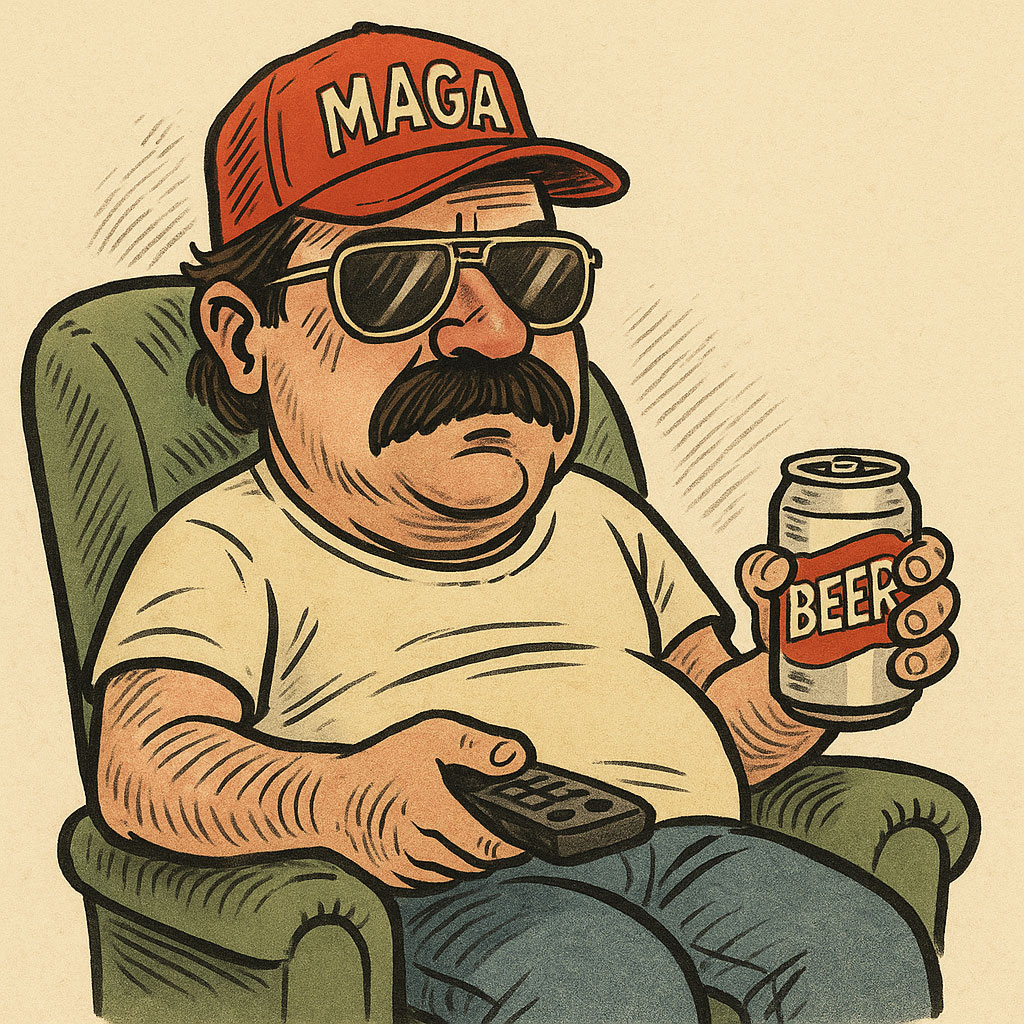
Armchair patriot. Believes in the free market, cold beer, and that there’s always a guy named George behind every CNN segment.
Former remote-throwing champion turned #1 couch commentator on liberal panic in the media. Born in Texas (or so his mug says), he earned a degree in Fake Newsology & Beer Philosophy from YouTube University.
⚖️ ENTER THE LEGALIZER
Think the government has no idea what it's doing? Put your case before the Federal Case Terminal and find out.