Folks, I almost spilled my coffee reading this one. It seems like the Trump administration is taking a rather… let’s call it “diplomatic” approach to the whole Israel-West Bank sanctions situation. I mean, President Donald Trump and his top foreign policy aide, Secretary of State Marco Rubio, haven’t exactly condemned the United Kingdom, France, Canada, and others for their planned sanctions on settlements in the occupied West Bank. Notable, especially considering this administration’s self-proclaimed “most pro-Israel” stance in history.
Now, their ultimate position on these new sanctions remains unclear, according to current and former US officials who spoke to CNN. But the lack of condemnation so far is, well, interesting, to say the least. Given the administration’s past policies towards Israel and the Palestinian territories, you’d think they’d be quick to jump into the fray. But no, Trump took a rather reserved tone, saying he’d be “speaking to Israel.” I guess that’s one way to play it cool.
It turns out the UK briefed the US ahead of the announcement, including a call from Prime Minister Andy Burnham to Trump. Sources suggest Trump and Rubio’s reaction may indicate some discomfort with Israeli policies in the West Bank. Despite Trump saying he wouldn’t allow Israel to annex the West Bank, Israel has only continued to entrench its control, expanding settlements and seizing territory. You can’t make this stuff up, folks.
Rubio, who also declined to comment or condemn the new sanctions, seemed to nod to that frustration on Tuesday. He mentioned not wanting to see anything destabilizing going on in the West Bank, given the situation in the region. He also said the US thinks it has implications for their ability to make progress with regards to Gaza and the 20-point plan they’re committed to. Obviously, they’re not going to do what the UK did, but they did hear their arguments.
Former US Ambassador to Israel Daniel Shapiro said the lack of initial condemnation “represents at least some degree of recognition on the part of the administration that the violence by Israeli extremists at the West Bank, and the statements and actions of the extremist ministers in the Israeli government are becoming problematic.” Now, that’s a diplomat’s way of saying things are getting out of hand.
In contrast, Amb. Mike Huckabee accused the British government of “Jew hate” – despite the foreign secretary being Jewish – and warned ahead of the UK’s announcement that it could have a “huge impact on British businesses.” Those remarks hadn’t been coordinated with the White House or the State Department, because, well, that’s just how things go sometimes.
A former senior US official told CNN that Huckabee’s reaction was consistent with his own views about Israel and settlements. “It’s probably what he expected, because many people would have expected that that would have been the administration’s initial response, based on their history and the views they’ve previously expressed,” they noted. You’ve got to love the nuances of diplomatic speak.
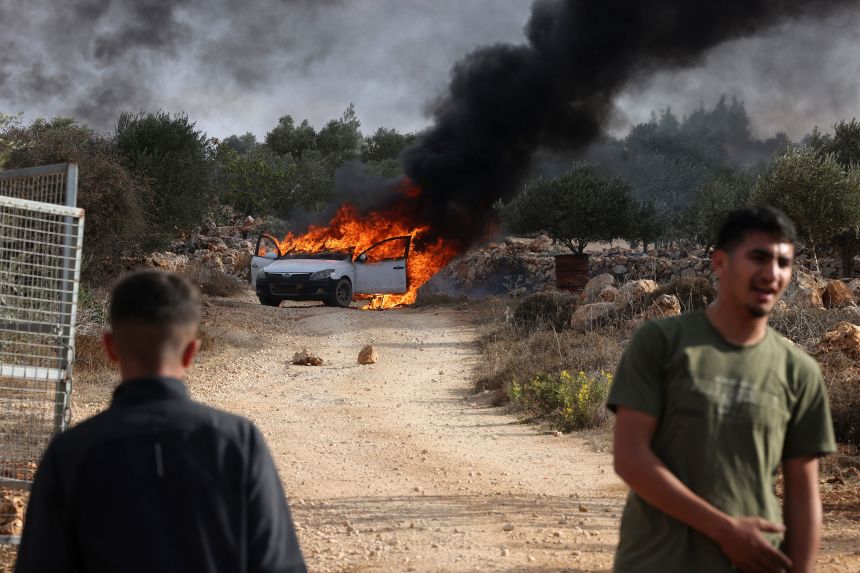
In the early days of Trump’s second term, the administration lifted sanctions imposed under the Biden administration on violent Israeli settlers. The US, unlike international partners, hasn’t publicly condemned Israel’s plans to advance the E1 settlement project, which effectively divides the West Bank into north and south, making a contiguous Palestinian state virtually impossible. Israel’s far-right Finance Minister, Bezalel Smotrich, has explicitly championed the expansion of settlements as a way to “bury” the idea of a Palestinian state. It’s a messy situation, to say the least.
Shapiro said that when it comes to the violence in the West Bank, Trump has leverage to force Netanyahu’s hand with a fairly limited action, given the upcoming election. “I think Trump’s got a lot of leverage, but I don’t think he’s really used it yet.” Another former senior US official expressed doubt that Netanyahu would rein in the settlers before the election. This former official called the planned sanctions “a warning shot.” Another US official questioned whether they will be effective, saying they might actually rally people around Israel and Netanyahu.
In conclusion, it’s a complex situation, and it seems like the Trump administration is trying to navigate it without rocking the boat too much. But with the upcoming election and the growing tensions in the West Bank, it’s going to be interesting to see how things play out. And who knows, maybe Trump will surprise us all and actually take some action. But until then, I’ll just be over here, sipping my coffee and watching the drama unfold. After all, as they say, “you can’t make this stuff up” – and I’m not even trying to! 😊
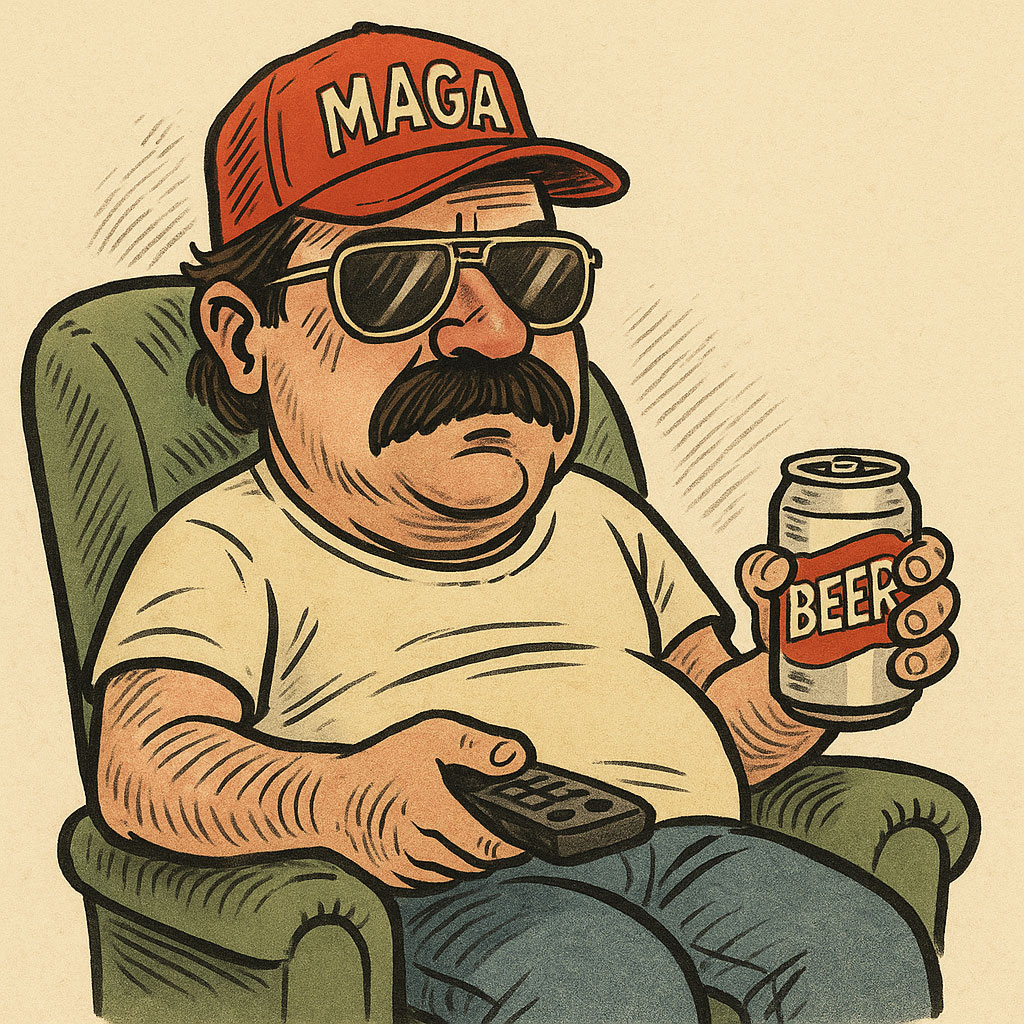
Armchair patriot. Believes in the free market, cold beer, and that there’s always a guy named George behind every CNN segment.
Former remote-throwing champion turned #1 couch commentator on liberal panic in the media. Born in Texas (or so his mug says), he earned a degree in Fake Newsology & Beer Philosophy from YouTube University.
⚖️ ENTER THE LEGALIZER
Think the government has no idea what it's doing? Put your case before the Federal Case Terminal and find out.