🎸 2026: The Year When RUSH Fans Finally Get A Coffee Table Book About A 50-Year-Old Album (And It’s About Time!) 🚀
So, gather ‘round, ye disciples of the power trio, for the heavens have parted and Motorbooks hath delivered unto us a tome so epic it makes “The Lord Of The Rings” look like a tweet. Behold, “Rush And 2112: 50 Years”, a slip‑cased, leather‑bound, gold‑leafed monument to the album that taught us all that 20‑minute songs about space communes are not, in fact, a bad idea. Dropping March 10, 2026—because nothing says “50th anniversary” like releasing it 50 years and a month later—this book promises to be the ultimate flex for anyone who still owns a vinyl turntable, a Moog synthesizer, and a complete lack of shame.
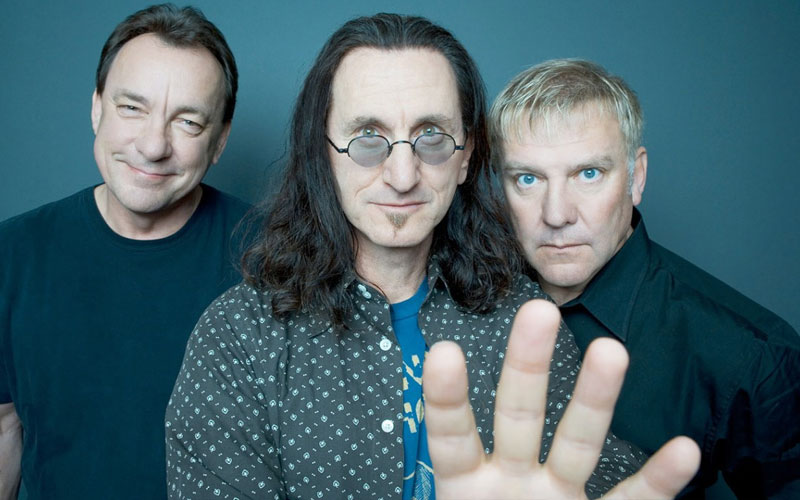
Now, for those of you who’ve been living under a rock (or worse, listening to One Direction), let’s back up. “2112” was released on April Fools’ Day, 1976, which, in retrospect, was a cheeky nod from the universe. Because, really, who in their right mind thought a 20‑minute sci‑fi rock opera about a dude named John fighting a giant red star would become the soundtrack to a generation of nerds with drumsticks? But RUSH—Geddy Lee, Alex Lifeson, and Neil Peart—weren’t just any band. They were the band that said, “Screw you, record label, we’ll write a song about a dystopian future where the only thing worse than the government is the lack of guitars.”
And thus, “2112” was born—a masterpiece so audacious it made Yes look like ABBA and Genesis seem like NSYNC. It was the moment RUSH stopped being a band and started being a religion. Or at least a very loud, very technical cult.
Enter Daniel Bukszpan, a man whose name sounds like a rejected Star Trek villain but who, in reality, is a freelance writer with a resume longer than Geddy’s bass solo. He’s written for Fortune, CNBC, and Condé Nast Traveler—which, let’s be honest, are all just warm‑ups for the real gig: chronicling the life and times of a Canadian trio who once made an entire album about a steam-powered man.
In this book, Bukszpan promises to take us on a journey through the creation of “2112”, complete with track‑by‑track analysis that will make you feel like a genius for finally understanding what the hell “Temples Of Syrinx” actually means. (Spoiler: it’s about a dystopian future where the only thing worse than the government is the lack of guitars.)
But wait, there’s more! The book is packed with rare photos, candid offstage moments, and archival images that will make you wonder how anyone ever thought Alex Lifeson looked like a normal human being. (Spoiler: he doesn’t. He looks like a wizard who got lost on the way to a Lord Of The Rings convention.)
And for the true collectors out there, there are interviews and commentary that will illuminate the band’s creative process and enduring influence. Because nothing says “illuminate” like a 500‑page book about a 20‑minute song.
Now, let’s talk about the album itself. “2112” wasn’t just RUSH’s commercial breakthrough; it was their artistic declaration of independence. It was the first time they sounded like RUSH—a band so committed to their vision that they once wrote a song about a guy who invents a new form of music and then gets killed by the government for it. (Again, 2112.)
The album hit the Billboard charts, went platinum in the U.S. and Canada, and spawned a legendary tour that culminated in a three‑night stand at Massey Hall in Toronto. That tour was recorded for “All The World’s A Stage”, which is basically the Live Aid of prog rock.
And let’s not forget that “2112” is one of only two RUSH albums listed in “1001 Albums You Must Hear Before You Die”—the other being “Moving Pictures”, which is basically the “Star Wars” of rock albums. It also ranked second on Rolling Stone’s 2012 readers’ poll of “Your Favorite Prog Rock Albums of All Time,” which is basically the Grammys for people who still use turntables.
In 2006, the non-profit Audio-Visual Preservation Trust Of Canada chose “2112” as a culturally significant example of Canada’s audio-visual heritage. Which is a fancy way of saying, “This album is so Canadian it should come with a maple leaf and a Tim Hortons coupon.”
But back to the book. According to Bukszpan, this is “an essential volume for fans old and new—a definitive tribute to a record that changed everything.” And he’s not wrong. Because “2112” didn’t just change RUSH; it changed rock music. It proved that you could write a 20‑minute song about a dystopian future and still get airplay. It proved that you could be Canadian and still be cool. And it proved that you could make an entire album about a steam-powered man and still sell 40 million records.
So, if you’re a RUSH fan, this book is a must-have. If you’re not a RUSH fan, this book might just convert you. And if you’re someone who still thinks “2112” is just a year, well, you’re probably not reading this anyway.
For more information, go to this location. And remember: in the words of Neil Peart, “If you choose not to decide, you still have made a choice.” And the choice, my friends, is clear: buy this book, crank up “2112”, and embrace your inner prog rock nerd. 🎶📚🚀

Chord F. Discord, the Beethoven of Buffoonery, is a self-taught expert in music who once claimed he could “play the kazoo in four languages.”
Born in Crescendo, Indiana, Chord’s first brush with fame came when he accidentally entered a yodeling contest thinking it was a pie-eating competition—and won both categories.
Chord F. Discord: proving that laughter, much like a poorly tuned ukulele, is truly universal.
⚖️ ENTER THE LEGALIZER
Think the government has no idea what it's doing? Put your case before the Federal Case Terminal and find out.