Folks, I almost spilled my coffee reading this one. It seems that electric vehicle sales in the US aren’t exactly setting the world on fire. According to Cox Automotive, sales of new EVs fell 20% in the second quarter from a year ago. But, as they say, don’t judge a book by its cover. Looking under the hood, the picture isn’t as grim as it seems. A rush to buy EVs last year inflated sales, and the subsequent drop isn’t as bad as it looks. Plus, the international market is booming, which means automakers can’t afford to give up on EVs entirely.
Now, I know what you’re thinking – what’s going on with EV sales in the US? Well, it seems that the elimination of some tax incentives last year cut into demand. And, let’s be real, Americans love their gas-powered trucks and SUVs. But, as Stephanie Valdez Streaty, director of industry insights for Cox Automotive, said, “While (US) demand has softened following the expiration of federal incentives, automakers cannot simply walk away from electrification.” That’s a pretty straightforward statement, if you ask me.
The Trump administration’s decision to halt many financial incentives that supported the industry, including a $7,500 tax credit for EV buyers, didn’t help either. And, of course, the elimination of financial penalties for automakers who violated emission rules took away some of the pressure to build more electric vehicles. But, despite all this, US EV sales are improving from earlier this year. In fact, second-quarter sales rose 15% compared to the first quarter. And, according to Cox, US sales of used EVs hit a record. So, it’s not all doom and gloom.
Ivan Drury, director of insights for car selling site Edmunds, said that the previous incentives and regulations created a false level of EV demand. But, with most US tax incentives gone, “we do know there is some level of natural EV demand in the market.” That’s a nice way of saying that people are actually interested in buying EVs, even without all the bells and whistles. And, as Eric Straka, a physician living in Ann Arbor, Michigan, can attest, EVs are worth it, even without the incentives. He paid about $32,000 for a Chevrolet Equinox in May and said it was worth it, even if he doesn’t get his rebate.
Now, let’s talk about the international market. Sales continue to rise in the rest of the world, most prominently in China but also in Europe. The International Energy Agency estimates that pure battery electric vehicle sales rose to about 14 million last year from 11 million in 2024 and should rise further in 2026. That’s a lot of EVs, if you ask me. And, it’s not just China – other countries are also seeing a surge in EV sales. In fact, Chinese EVs are becoming big business outside of China, with exports soaring globally.
But, here’s the thing – Chinese EVs have a major advantage over American or European autos: they’re much less expensive. More than 200 Chinese EV models sell for less than $25,000, according to Reuters, with some as cheap as $10,000. Compare that to the latest average price of new US EV at $56,377, according to Edmunds. That’s a pretty big difference, if you ask me. And, with the Commerce Department recently ruling that Chinese cars can’t be legally sold in the US, it’s going to be tough for American companies to compete.
In conclusion, while EV sales in the US may not be as strong as they could be, the international market is booming, and Chinese EVs are giving American and European automakers a run for their money. As Ford CEO Jim Farley said, “We know we’re in a fight for our lives in our industry.” Well, it’s time to buckle up, folks, because the EV market is about to get a whole lot more interesting. And, who knows, maybe one day we’ll all be driving electric cars and wondering what all the fuss was about. 😊
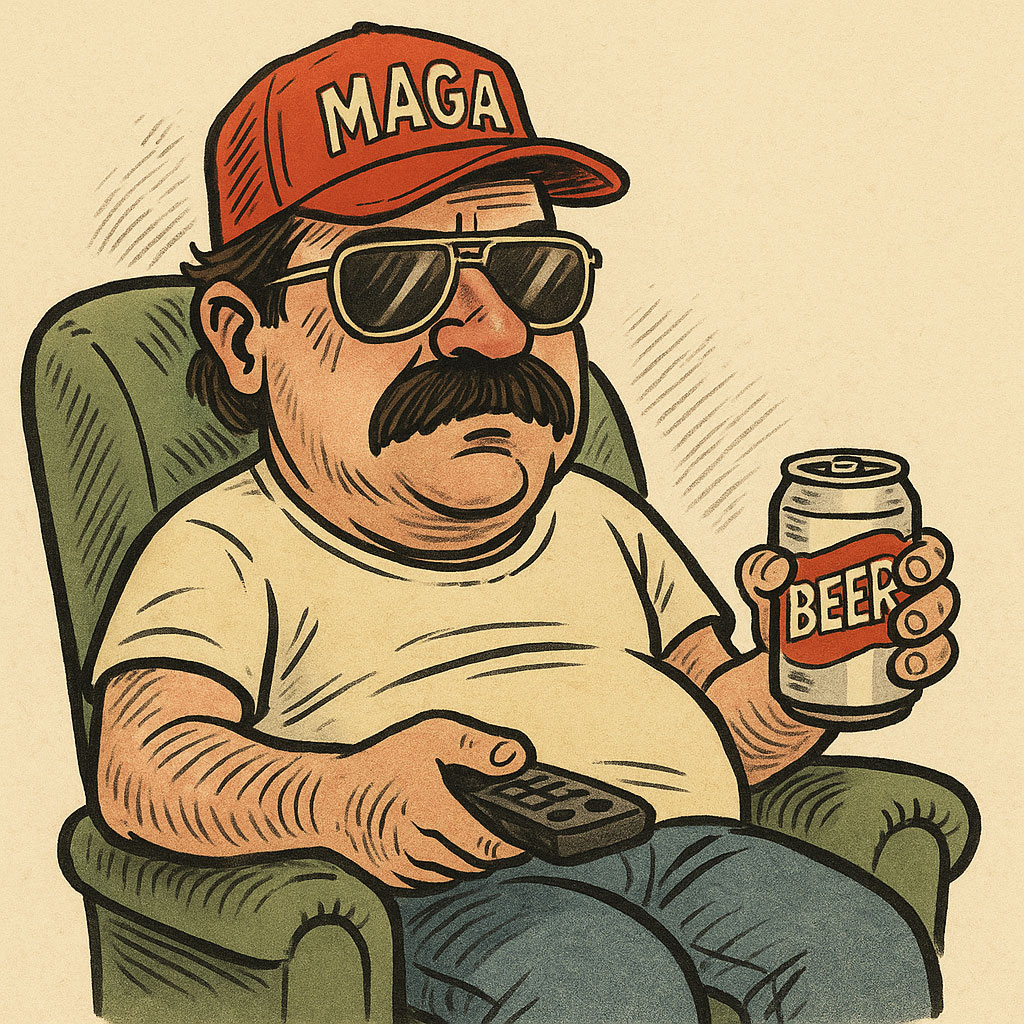
Armchair patriot. Believes in the free market, cold beer, and that there’s always a guy named George behind every CNN segment.
Former remote-throwing champion turned #1 couch commentator on liberal panic in the media. Born in Texas (or so his mug says), he earned a degree in Fake Newsology & Beer Philosophy from YouTube University.
⚖️ ENTER THE LEGALIZER
Think the government has no idea what it's doing? Put your case before the Federal Case Terminal and find out.