Jurassic World: Fallen Kingdom ended with a tantalizing cliffhanger, setting the stage for a thrilling sequel where dinosaurs would wreak havoc on suburban America. The promise of a T-Rex stomping through a quiet neighborhood was too enticing to resist. But, as we all know, the next installment of the Jurassic World franchise had other plans, opting for a convoluted plot involving mutant locusts instead. It was a baffling decision that left many fans feeling frustrated and disappointed.
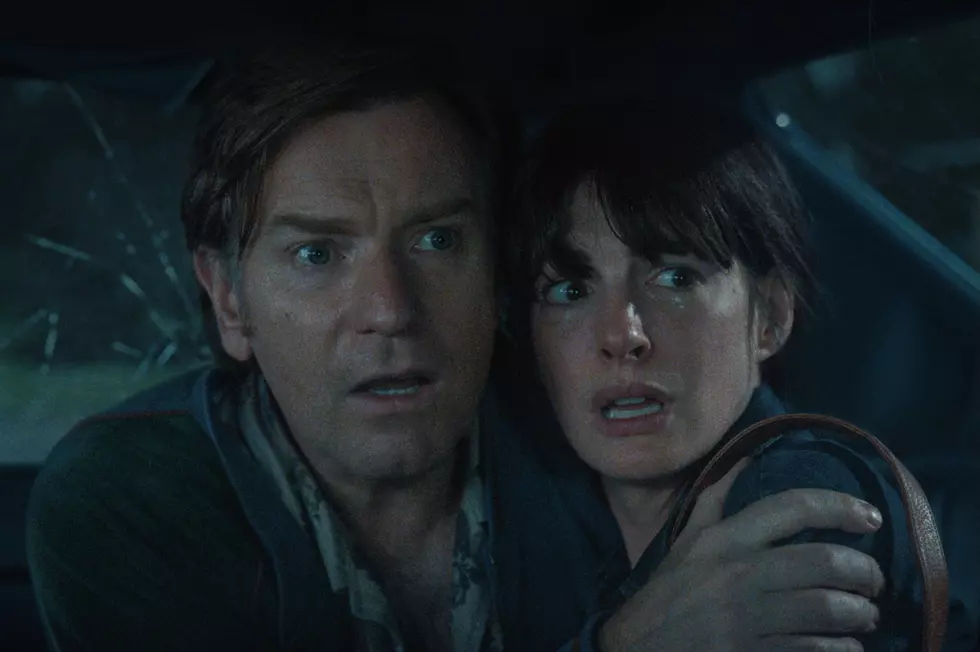
The latest film, The End of Oak Street, directed by David Robert Mitchell, finally delivers on the promise of Fallen Kingdom‘s ending. This movie brings the chaos and excitement of dinosaurs roaming through suburban streets, and it’s a welcome respite from the lackluster sequels that have plagued the Jurassic Park franchise. With a talented cast, including Ewan McGregor and Anne Hathaway, The End of Oak Street tells the story of a fraying family fighting to survive in a world where the rules of reality no longer apply.
The Family at the Center
At the heart of The End of Oak Street is the family of Greg, Denise, Audrey, and Brian, who find themselves at the epicenter of a prehistoric disaster. Mitchell takes his time to develop the characters, exploring their relationships and quirks, making it easier for the audience to invest in their story. The family’s dynamics are relatable, and their struggles to cope with the extraordinary circumstances are both humorous and poignant. As the story unfolds, the characters are forced to confront their own flaws and weaknesses, making their eventual survival all the more satisfying.
The film’s patient approach pays off when the family’s street is inexplicably transported back in time, depositing them in the middle of a land filled with ferocious ancient beasts. The special effects are stunning, and the dinosaurs are both terrifying and mesmerizing. Mitchell doesn’t shy away from the violence, delivering some of the most intense PG-13 moments in recent memory. However, he also finds room for humor, often in the most mundane activities of the dinosaurs. The result is a film that’s both thrilling and entertaining, with a perfect balance of action, suspense, and humor.
A Nod to the Masters
Many critics have compared The End of Oak Street to a vintage Amblin production, with its emphasis on kids in peril, gradual introduction of monsters, and nostalgic value. The film’s nods to the classics, such as Poltergeist and Jurassic Park, are evident, but Mitchell’s unique voice and vision shine through. The film’s use of split diopter shots, which bring objects in the extreme foreground and background into focus simultaneously, is a clever technique that adds to the film’s visual appeal. It’s a testament to Mitchell’s skill as a director that he can pay homage to the greats while still delivering a fresh and exciting experience.
As the story reaches its climax, the film’s themes of family, survival, and resilience come to the forefront. The characters are forced to confront their own mortality and the fragility of their relationships. It’s a powerful and emotional conclusion that will leave audiences on the edge of their seats. And, as the credits roll, Mitchell’s dedication to the film’s themes and his own personal experiences is a touching tribute that adds another layer of depth to the story.
In the end, The End of Oak Street is a welcome addition to the world of dinosaur movies, and a testament to the power of storytelling. It’s a film that will keep you on the edge of your seat, laughing and crying in equal measure. And, as the studios continue to churn out sequel after sequel, it’s a reminder that sometimes the best stories are the ones that take risks and defy expectations. So, here’s to The End of Oak Street, a film that’s finally given us the suburban dinosaur mayhem we’ve been waiting for. Now, if you’ll excuse me, I have to go attend a meeting where executives will reportedly nod very seriously while discussing the next big franchise reboot. Joy.

Finn McFrame, celebrated satirical mastermind and self-proclaimed “Emperor of Irony,” started his illustrious career as a cinematographer, where his expertise in capturing every single frame of a squirrel stealing a baguette earned him accolades at obscure film festivals.
Born in the glamorous town of Boring, Oregon, Finn grew up with dreams of being a Hollywood director until he realized that satire, not cinema, was his true calling—or at least the one that let him sleep until noon.
Finn McFrame: changing the world, one satirical lens flare at a time.
⚖️ ENTER THE LEGALIZER
Think the government has no idea what it's doing? Put your case before the Federal Case Terminal and find out.