Once upon a time, if you were an esports team, you basically existed only during tournament weekends. You’d pop up, destroy the competition (or get destroyed), and then vanish into the void until the next LAN party. But the new model? Content creation is the real MVP now. Because let’s face it: fans don’t just want to see you clutch—they want to see you rage-quit, meme, and accidentally reveal your cat in the background during a stream.
And here’s the kicker: the biggest gaming orgs aren’t just expanding beyond one game anymore—they’re expanding beyond competition itself. Streaming, TikToks, podcasts, and even spicy behind-the-scenes tea are now core pillars. Who needs a trophy when you can have a viral clip?
Content Creation Gives Teams a Business Beyond Competition
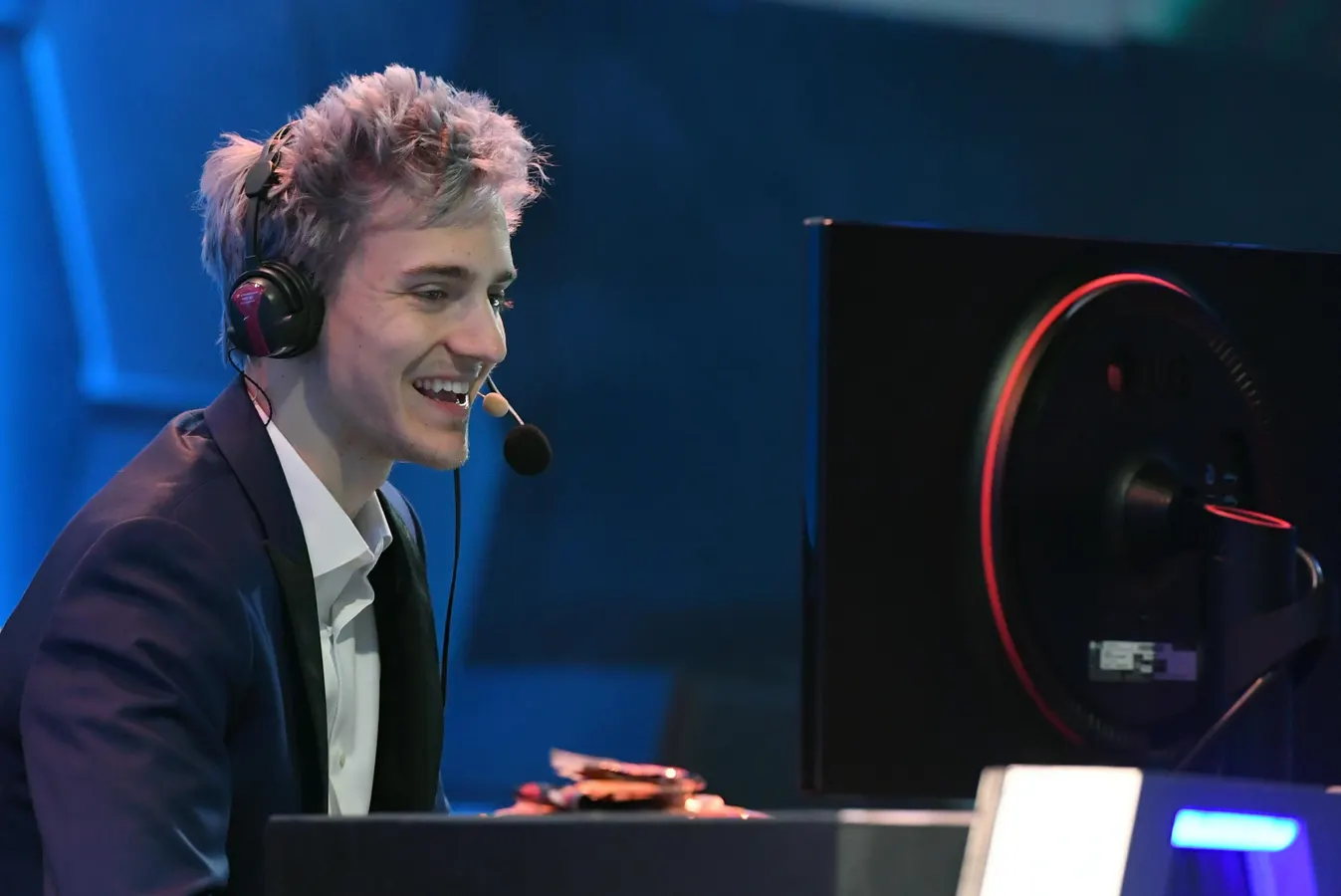
Let’s be real—trophies collect dust. Attention is liquid gold. The smartest teams now realize that fans follow personalities, not just plays. That means streaming changed the game. Suddenly, players can build a fanbase that doesn’t care if they whiff their ultimates, as long as they keep the chat entertained. It’s like reality TV, but with more K/D ratios and fewer scripted fights.
This also unlocks alternate revenue streams. Forget just prize money—now it’s ads, merch, subs, memberships, and yes, sponsored streams where someone unboxes a mouse while talking about their “journey.” Esports pro teams are now mini media empires, and the arena is your screen.
Streaming Helps Gaming Organizations Stay Visible Every Day
The esports calendar is chaotic, and not every team is playing every day. That used to be a problem—if you’re invisible, you’re forgettable. But now? A chill Tuesday stream can keep your brand alive. Creators can pull in viewers from across the globe, even when your actual team is busy practicing or sleeping (yes, they do that sometimes).
Plus, if a game’s popularity tanks, a team with a strong creator base can pivot faster than a MOBA player with a backdoor strat. Flexibility is key, and content is the Swiss Army knife.
The Biggest Teams Are Building Media Brands, Not Just Rosters
Look around: the largest esports teams today are basically running entertainment studios. Some run YouTube channels like Netflix originals. Others build creator houses where streamers live together and make content like it’s a never-ending dorm prank war. They produce documentaries, run watch parties, and even do community Q&As.
The goal? Not just to report on the competition—but to make the team itself the main event. And it works. Some fans don’t even watch tournaments—they just want the highlights, the memes, the “OMG did you see that clip?” moments.
Which Esports Teams Dominate Competitive Gaming?
Depends who you ask, what game, and what month. Some teams crush it across multiple titles, while others are basically married to one franchise. Teams with strong histories in League of Legends, CS, or CoD always come up in these convos. But here’s the twist: winning today doesn’t guarantee relevance tomorrow. You can clutch the finals and still be yesterday’s news if you don’t connect with fans.
Who Are Some of the Largest Esports Teams?
The largest esports teams aren’t just the ones with the most trophies—they’re the ones with the most eyeballs. Size now means global reach, brand deals, and a thriving content ecosystem. A team with a viral creator squad can sometimes outsize a team with better stats but weaker fan engagement. It’s brutal. It’s also reality TV with better graphics.
Why Is Esports So Popular?
Esports hits the sweet spot: competition, entertainment, community, and accessibility. Want to watch a top-tier match? Cool. Want to play the exact same game five minutes later? Even better. That instant access creates a deeper connection than most traditional sports can offer.
For teams, that means the audience isn’t just hungry for wins—they want personality, consistency, and a reason to care beyond the scoreboard. Content and streaming aren’t side gigs anymore—they’re survival tools.
So, teams aren’t abandoning competition. They’re just building around it. Because in 2026, if you’re not creating content, you’re already losing.

Pixel P. Snarkbyte, widely regarded as the “Shakespeare of Sh*tposts,” is a video game expert with a unique knack for turning pixels into punchlines.
Born in the small town of Respawn, Pennsylvania, Pixel grew up mashing buttons on an ancient NES controller, firmly believing that “blowing into the cartridge” was a sacred ritual passed down through generations.
Pixel P. Snarkbyte: proving that life, much like a buggy open-world game, is better with a little lag-induced chaos.
⚖️ ENTER THE LEGALIZER
Think the government has no idea what it's doing? Put your case before the Federal Case Terminal and find out.