I’m sipping my coffee and reading about the latest drama in the Democratic National Committee, folks. It seems like Nevada and South Carolina are the top contenders to lead the 2028 presidential primary calendar. I mean, who doesn’t love a good competition? According to conversations with members of the powerful Rules and Bylaws Committee, it’s a tough decision, with one member saying it’s “50-50” between the two states. I can almost hear the suspenseful music playing in the background.
As I delve deeper into the article, I find out that the panel is gathering in Washington, DC, to select up to five states for its early primary window. The committee will recommend a slate to the full DNC to consider as soon as next month. I’m imagining a room full of serious-looking people discussing the fate of the Democratic party, and I just can’t help but chuckle at the thought of all the lobbying and campaigning going on behind the scenes.
The RBC member said the panel is zeroing in on two scenarios that would seek to strike a balance between states with large Black and Latino voting blocs. In one scenario, Nevada would lead the calendar, followed by South Carolina, Michigan, New Hampshire, and another southern state — most likely Virginia. In the other, South Carolina would go first, followed by Nevada, New Mexico, Michigan, and New Hampshire. I’m no expert, but it sounds like they’re trying to make everyone happy, which is always a challenging task.
Nevada’s backers have pointed to the state’s diversity, strong labor unions, and status as a competitive battleground state as reasons why Democrats should give it the top slot. Daniele Monroe-Moreno, the chair of the Nevada Democratic Party, told CNN that “if Nevada goes first, it’s a strategic decision for our party as we work to build a coalition that we know we need to build to win back the White House in 2028.” I’m thinking, “Okay, that makes sense, but what about South Carolina?”
South Carolina was moved to the first spot in 2024 at the behest of former President Joe Biden, and advocates for keeping it in the top spot have pointed to a wave of Republican-led attacks on Black electoral power. They’ve argued that maintaining the state’s current position would underscore the importance of voting rights for the Black community. Christale Spain, the chair of the South Carolina Democratic Party and an RBC member, said, “We’ve just been telling the history of South Carolina in this process, how our voters have always gotten it right.” I’m impressed by their confidence.
The state’s surrogates have also pointed to its history of picking eventual Democratic primary winners, including in 2020 when Biden’s South Carolina victory rescued his stalled presidential bid. I’m thinking, “Wow, that’s quite a track record.” But, of course, Nevada isn’t giving up without a fight. The state’s allies have stressed that they don’t just have a sizeable Latino voting bloc, but a population that includes Black, Asian American and Pacific Islander, Native American, and White working-class voters.
As I continue reading, I find out that the former longtime front-runner states, New Hampshire and Iowa, aren’t going down without a fight. Ray Buckley, the New Hampshire Democratic Party chair, has been personally pitching his state to other members of the committee. Iowa no longer has any members on the RBC, but state party chair Rita Hart has been calling committee members, asking them to delay a decision on the calendar until after the November elections. I’m thinking, “Good luck with that, folks.”
In conclusion, it’s clear that the Democratic National Committee has a tough decision ahead of them. With Nevada and South Carolina as the top contenders, and New Hampshire and Iowa trying to make a comeback, it’s going to be an interesting few months. As I finish my coffee, I’m left thinking, “Well, this is going to be fun to watch.” And who knows, maybe we’ll even get some surprise twists along the way. After all, as they say, “politics is unpredictable,” and I’m excitement to see how it all plays out.
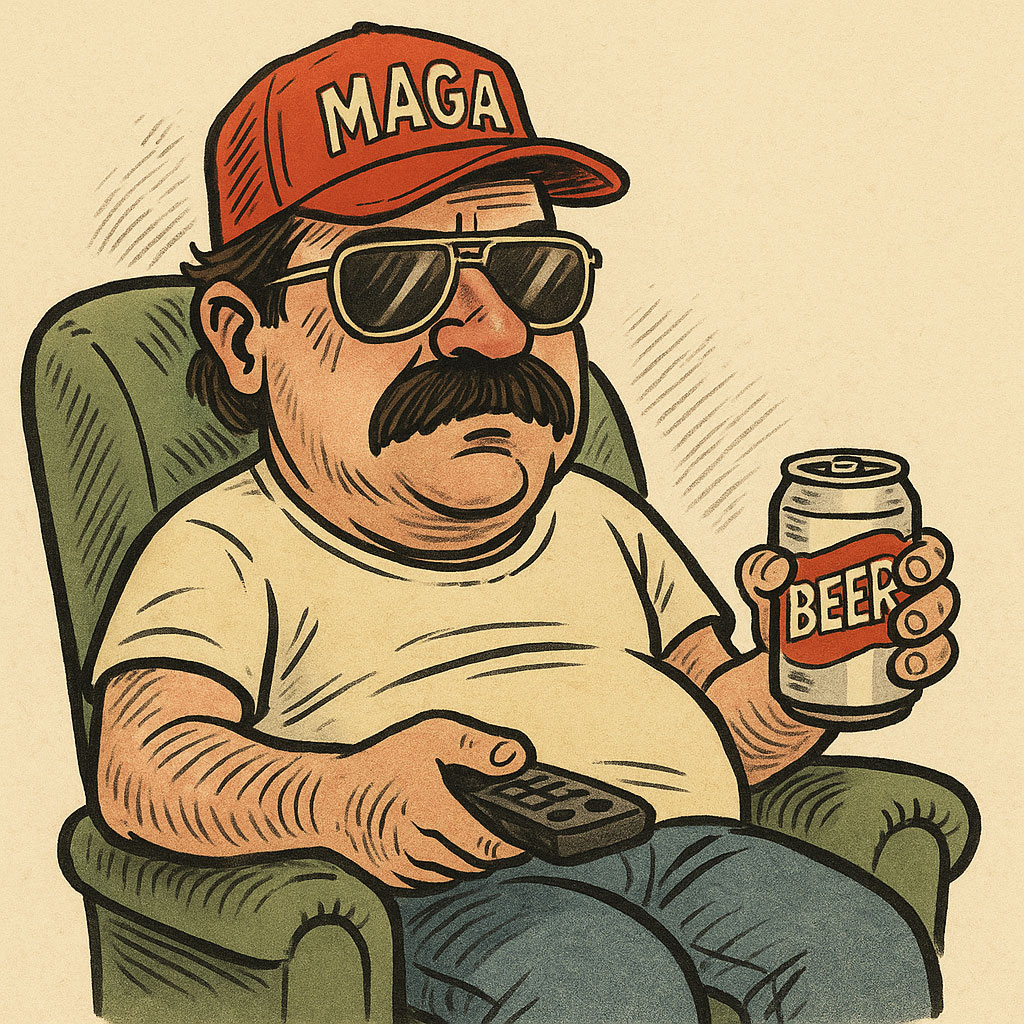
Armchair patriot. Believes in the free market, cold beer, and that there’s always a guy named George behind every CNN segment.
Former remote-throwing champion turned #1 couch commentator on liberal panic in the media. Born in Texas (or so his mug says), he earned a degree in Fake Newsology & Beer Philosophy from YouTube University.
⚖️ ENTER THE LEGALIZER
Think the government has no idea what it's doing? Put your case before the Federal Case Terminal and find out.