We’re once again diving headfirst into the rabbit hole of nostalgia, because that’s what Hollywood does best. This time, we’re revisiting the iconic kitchens of the 1980s, a decade that defined the modern American family’s gathering space. The harvest golds and avocado greens of the previous decade were long gone, replaced by an onslaught of white-on-white cabinetry, brass accents, and a color palette that seemed to be stuck in a perpetual state of mauve, forest green, and dusty rose.
As we delve into the heart of the 1980s kitchen, it becomes apparent that this was the era when the kitchen transformed into the command center of the home. It’s where homework was done at the island, MTV played on a portable TV on the counter, and every available surface was cluttered with collectibles that, in hindsight, seem baffling to our clutter-phobic sensibilities today. The ’80s were a time when the concept of “essential” was liberally applied to anything with a brand name or a character’s face on it.
The Nostalgia of ’80s Kitchen Decor
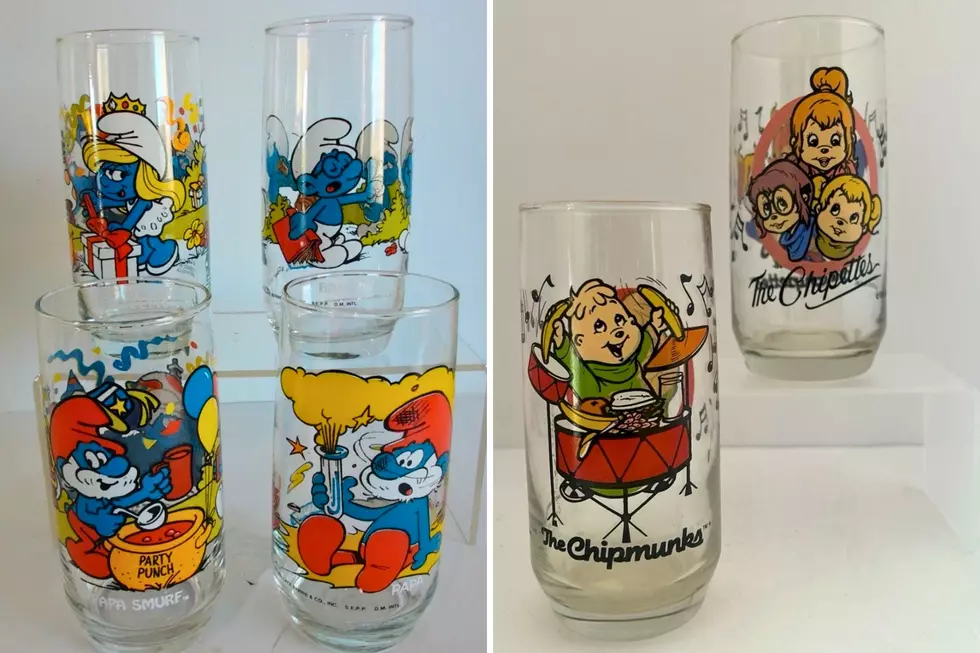
A typical ’80s kitchen was a symphony of collectible glasses, each one more proudly displayed than the last. Smurfs, The Chipmunks, and any other brand that could slap its logo on a glass were proudly displayed in a cupboard that seemed to defy the laws of physics with its ability to hold an endless number of mismatched treasures. The health implications of lead in these glasses were the least of anyone’s concerns back then; after all, eating pencils was a common pastime, making one virtually indestructible.
The decor wasn’t just about function; it was about making a statement. Pizzeria-style lamps hanging from chains over the kitchen table were the epitome of sophistication, a clear indicator that the inhabitants of the house had dined at the pinnacle of culinary excellence: Pizza Hut. It’s a look that’s both nostalgic and cringe-worthy, a testament to the era’s unique blend of aspirational consumerism and questionable taste.
When Nostalgia Meets Hollywood
As we look back on these ’80s kitchens, it’s hard not to see the fingerprints of Hollywood all over them. The decade was a time when pop culture and consumerism merged in ways that are still influencing our lives today. Every movie, every TV show, and every brand was an opportunity for merchandising, for creating a piece of the action that fans could bring into their homes. It’s a trend that hasn’t slowed down; if anything, it’s accelerated, with studios now planning the merchandising opportunities before the script is even finalized. The Merchandising Department, it seems, has become the first and last word in Hollywood decision-making.
In the end, as we wade through the nostalgia of ’80s kitchens, it’s a reminder that Hollywood’s annual Nostalgia Harvest is always in full swing. Somewhere, a Focus Group is earning another bonus for declaring that what audiences really want is more of the same, repackaged and resold as new. And so, the cycle continues, with studios mistaking familiarity for originality and praying that audiences won’t notice. Because in the world of Hollywood, where the Content Mines remain fully operational and every trailer is “the most anticipated event of the decade,” it’s not about creating something new; it’s about selling you back your memories, one remake at a time.

Finn McFrame, celebrated satirical mastermind and self-proclaimed “Emperor of Irony,” started his illustrious career as a cinematographer, where his expertise in capturing every single frame of a squirrel stealing a baguette earned him accolades at obscure film festivals.
Born in the glamorous town of Boring, Oregon, Finn grew up with dreams of being a Hollywood director until he realized that satire, not cinema, was his true calling—or at least the one that let him sleep until noon.
Finn McFrame: changing the world, one satirical lens flare at a time.
⚖️ ENTER THE LEGALIZER
Think the government has no idea what it's doing? Put your case before the Federal Case Terminal and find out.