
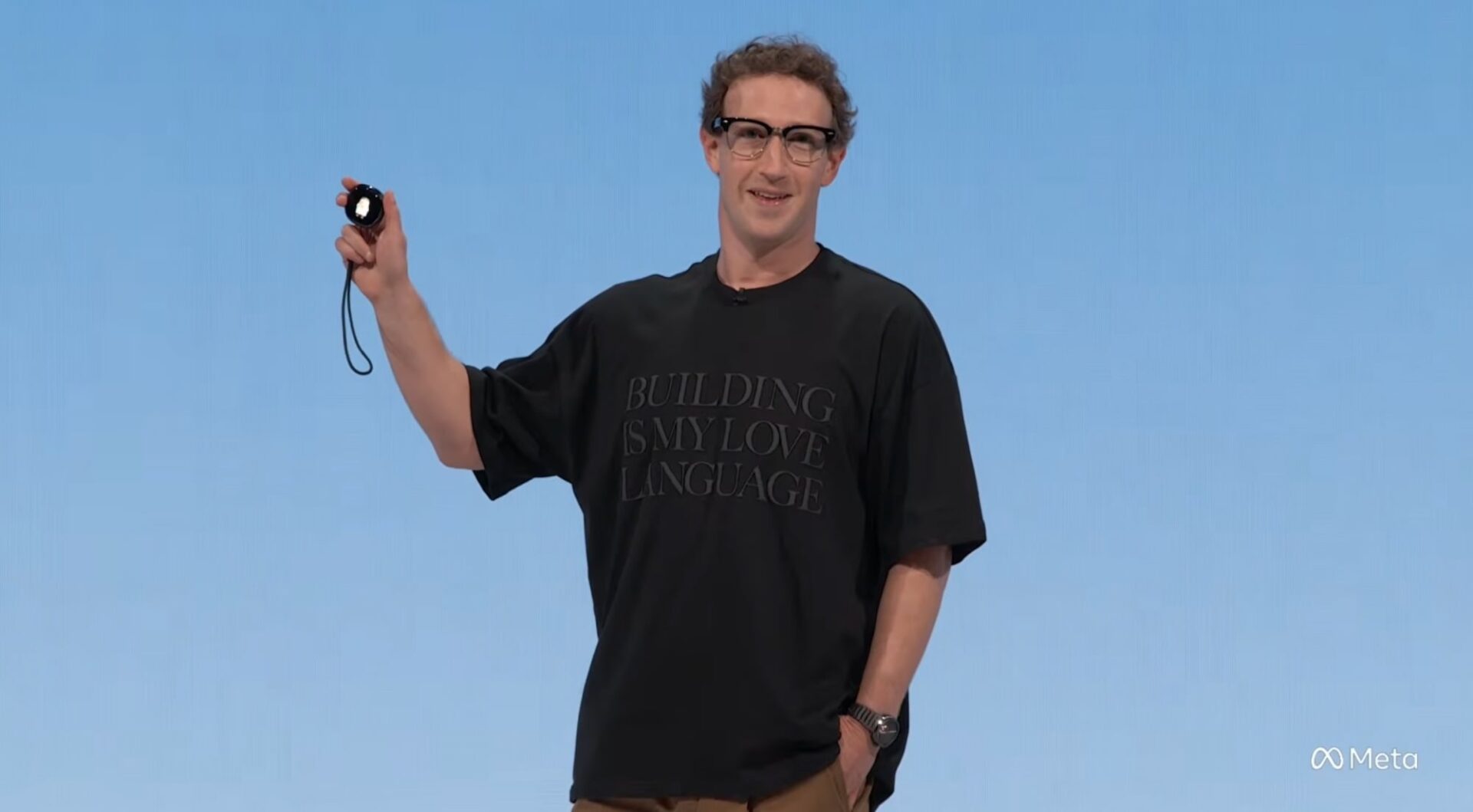
Meta Connect 2026 was a wild ride, folks, and I’m not just talking about Mark Zuckerberg’s enthusiastic pitch for the company’s new AI assistant, Muse. It seems like Meta is all-in on wearables and AI, because what could possibly go wrong with that combination? As the CEO himself said, it’s a “wild time to be building,” and I’m pretty sure he wasn’t just talking about the impending robot uprising.
At the keynote, Zuckerberg shifted Meta’s focus heavily toward wearables and the company’s new flagship AI assistant, Muse. Because, you know, what every consumer needs is another AI-powered device to make their lives easier, or at least that’s what the marketing team keeps telling us. Meta showed off Muse at the keynote, and due to the current landscape surrounding AI development, Zuckerberg acknowledged that it’s a bit of a tricky time to be building. But hey, who needs caution when you’ve got a vision for the future, right? Zuckerberg says Meta is on the right track due to their core belief “in people” at the helm of development, which is just corporate speak for “we’re trying not to make a mess of things.”
Zuckerberg also took the opportunity to distance Meta from competitors who suggested that AI development should slow down, because clearly, the best way to ensure safety is to rush headlong into the unknown. He argued that each lab should ensure its technology is safe, which is a great idea, except when it’s not, and then we’ll just have to deal with the consequences. At Meta Connect 2026, Zuckerberg said, “We believe that the best way to create a positive future for everyone is to put power in people’s hands,” which sounds great, until you realize that “power” might just mean the ability to shop more efficiently with Muse.
Muse, the AI assistant, is designed to handle basic everyday tasks so users can focus on what really matters, like scrolling through social media or watching cat videos. The agent can soon be deployed inside Meta smart glasses and Macs, because who needs human interaction when you’ve got a virtual assistant? The goal is to make Muse more personable and easier to communicate with, which is just code for “we want to make it more addictive so you’ll use it more often.”
Meta’s Wearable Bonanza
At Meta Connect 2026, the company also unveiled a slew of new wearables, including the Ray-Ban Meta Audio, which is essentially a pair of smart glasses without the camera, because who needs to take pictures when you can just listen to music and take calls? These new specs launch on October 13, 2026, and focus entirely on open-ear audio, calls, real-time translations, and talking to the Muse AI agent, because what’s more fun than talking to a virtual assistant all day?
The Meta VR Glasses, on the other hand, are the next step in Meta’s VR development, and they’re essentially a cinema, a workspace, and a console all rolled into one comfortable form factor. Because who needs a social life when you can just immerse yourself in virtual reality? The new frames feature a 5K Infinite Display built on micro-OLED panels, and a two-part design that moves the battery and processors into a puck the user can clip to their belt, pocket, or bag, keeping the weight off the user’s face.
Meta’s Grand Vision
It’s clear that Meta has a grand vision for the future, one that involves AI, wearables, and a whole lot of hype. But hey, who can blame them? It’s a wild time to be building, and if anyone can make a mess of things, it’s Meta. As Zuckerberg said, “We believe that the best way to create a positive future for everyone is to put power in people’s hands,” which is a great idea, until you realize that “power” might just mean the ability to shop more efficiently with Muse.
Conclusion
And that’s a wrap, folks. Meta Connect 2026 was a wild ride, full of hype, excitement, and a healthy dose of skepticism. As we look to the future, one thing is clear: Meta is all-in on wearables and AI, and we’re just along for the ride. Buckle up, folks, it’s going to be a bumpy ride.

Pixel P. Snarkbyte, widely regarded as the “Shakespeare of Sh*tposts,” is a video game expert with a unique knack for turning pixels into punchlines.
Born in the small town of Respawn, Pennsylvania, Pixel grew up mashing buttons on an ancient NES controller, firmly believing that “blowing into the cartridge” was a sacred ritual passed down through generations.
Pixel P. Snarkbyte: proving that life, much like a buggy open-world game, is better with a little lag-induced chaos.
⚖️ ENTER THE LEGALIZER
Think the government has no idea what it's doing? Put your case before the Federal Case Terminal and find out.