I’m sipping my coffee and reading about the latest developments in the Middle East, and folks, I almost spilled my coffee reading this one. The US has just signed a civilian nuclear agreement with Saudi Arabia, and it’s a doozy. This deal has the potential to help the kingdom build the capacity to enrich uranium, which is a big deal. The administration is claiming this as a win on multiple fronts, including meeting the highest anti-proliferation standards, boosting the US nuclear industry, and reinforcing ties with a vital ally.
The deal was negotiated under a US law that allows the transfer of US nuclear technology while preventing the spread of nuclear weapons. However, critics are worried that this agreement could eventually deliver the Saudis to the point where they could enrich higher-grade uranium for a nuclear bomb, setting off a regional arms race. Riyadh says it won’t seek a nuclear weapon if Iran doesn’t, but any move in that direction might force nations like Egypt or Turkey to follow suit.
I have to say, the timing of this deal is a bit curious, coinciding as it does with Trump’s latest escalation of the war on Iran. The administration hopes the deal could tilt the balance of power further towards the US by solidifying Saudi relations. However, by implying that US friends have the right to nuclear enrichment while enemies don’t, the deal could impose intense pressure on international non-proliferation conventions and incentivize Iran to seek its own partners.
The US-Saudi deal was negotiated under a US law that allows the transfer of US nuclear technology while preventing the spread of nuclear weapons. The Energy Department said Wednesday it included a bilateral safeguards agreement, which appeared to confirm reports that Saudi Arabia may not be required to sign up to the International Atomic Energy Agency’s Additional Protocol. This could create a precedent for other powers to sidestep international restrictions as they pursue their own nuclear deals, perhaps with US adversaries, and fillet nuclear safeguards.
Kelsey Davenport, director for nonproliferation policy at the Arms Control Association, said, “The agreement itself was reckless and irresponsible, but the broader ramifications could be felt for years to come.” John Erath, senior policy director at the Center for Arms Control and Non-Proliferation, noted that any absence of IAEA standard protocols would be “potentially a very big problem.”
The deal is far from the first time Trump has taken a risk in the Middle East without the capacity to understand how it plays out in the years to come. He’s torn up an international deal that capped Iran’s nuclear program, assassinated its national security chief Qasem Soleimani, bombed its nuclear sites, and launched a full-scale war against the Islamic Republic. Modern administrations concluded that the best way to keep Israel safe was to push for a two-state solution with the Palestinians, but Trump gave the Israelis space to crush that aspiration with hardline policies in Gaza and the West Bank.
Trump’s supporters argue that decades of US policy in the Middle East failed to create stability, and they insist he’s taking necessary steps that previous presidents failed to take. However, the perils of such an approach are obvious in Iran, where the US struggle to exit a war Trump has declared won multiple times helps explain why his predecessors hesitated to dive headlong into a full-scale conflict.
The conflict reflects a recurring theme — plans made in Washington often break down on contact with the Middle East. Trump and his Cabinet have strong relationships with Saudi Arabia’s Crown Prince Mohammed bin Salman, but there’s no guarantee the country will not fall into the hands of more radical rulers in decades to come. This is especially a worry with nuclear programs in the mix, as Davenport noted, “A US partner today is not necessarily a US partner tomorrow. So once the technology is transferred, the US cannot guarantee that it will retain control of that technology.”
In conclusion, the US-Saudi nuclear deal is a complex and potentially volatile development in the Middle East. While the administration claims it as a win, critics are worried about the long-term implications, including the potential for a regional arms race and the undermining of international non-proliferation conventions. As I finish my coffee, I’m left wondering what will happen next in this tumultuous region, and I’m reminded of Trump’s favorite phrase, “We’ll see what happens” — which takes on a rather disquieting tone in this context. Bless their hearts, indeed!
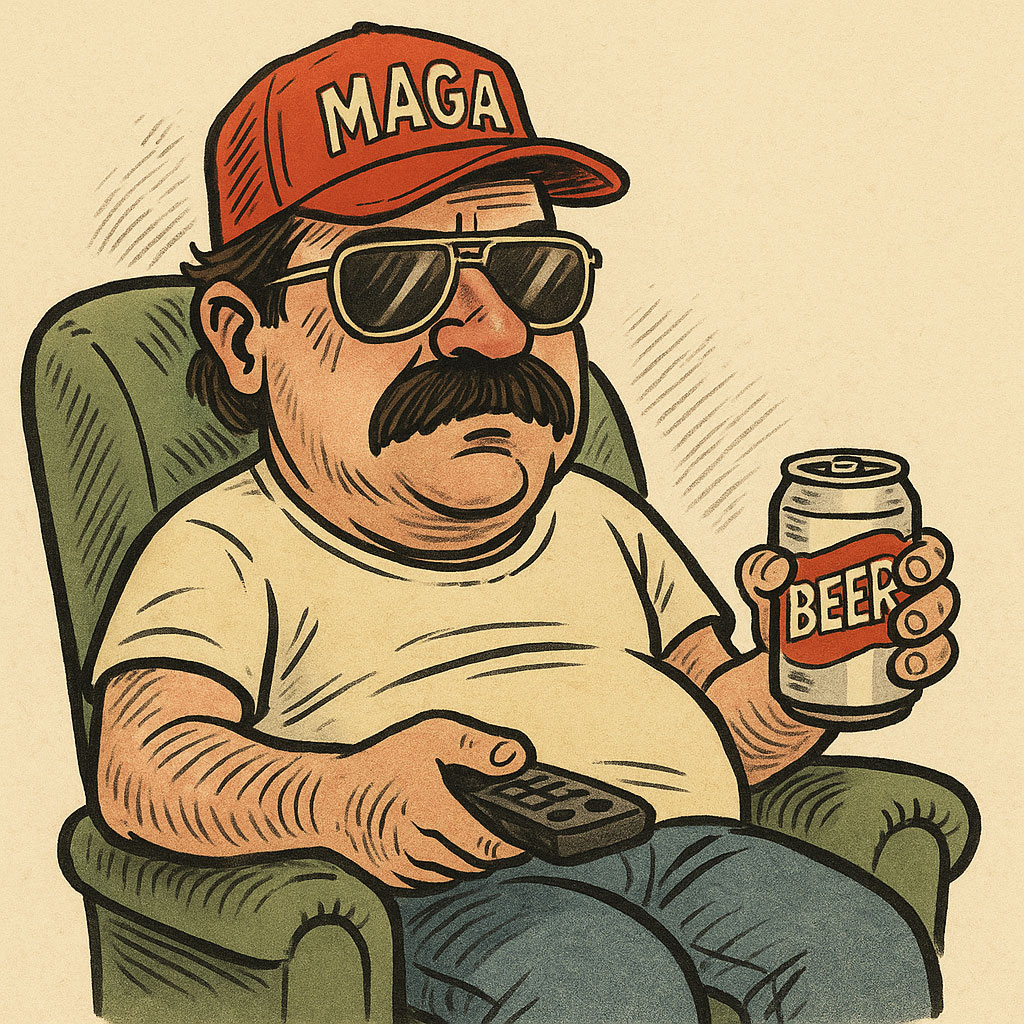
Armchair patriot. Believes in the free market, cold beer, and that there’s always a guy named George behind every CNN segment.
Former remote-throwing champion turned #1 couch commentator on liberal panic in the media. Born in Texas (or so his mug says), he earned a degree in Fake Newsology & Beer Philosophy from YouTube University.
⚖️ ENTER THE LEGALIZER
Think the government has no idea what it's doing? Put your case before the Federal Case Terminal and find out.