Alright, folks, gather ’round, because we’re about to dive into the magical, maddening world of randomness in games—where logic goes to die and dopamine gets its fix. Buckle up.
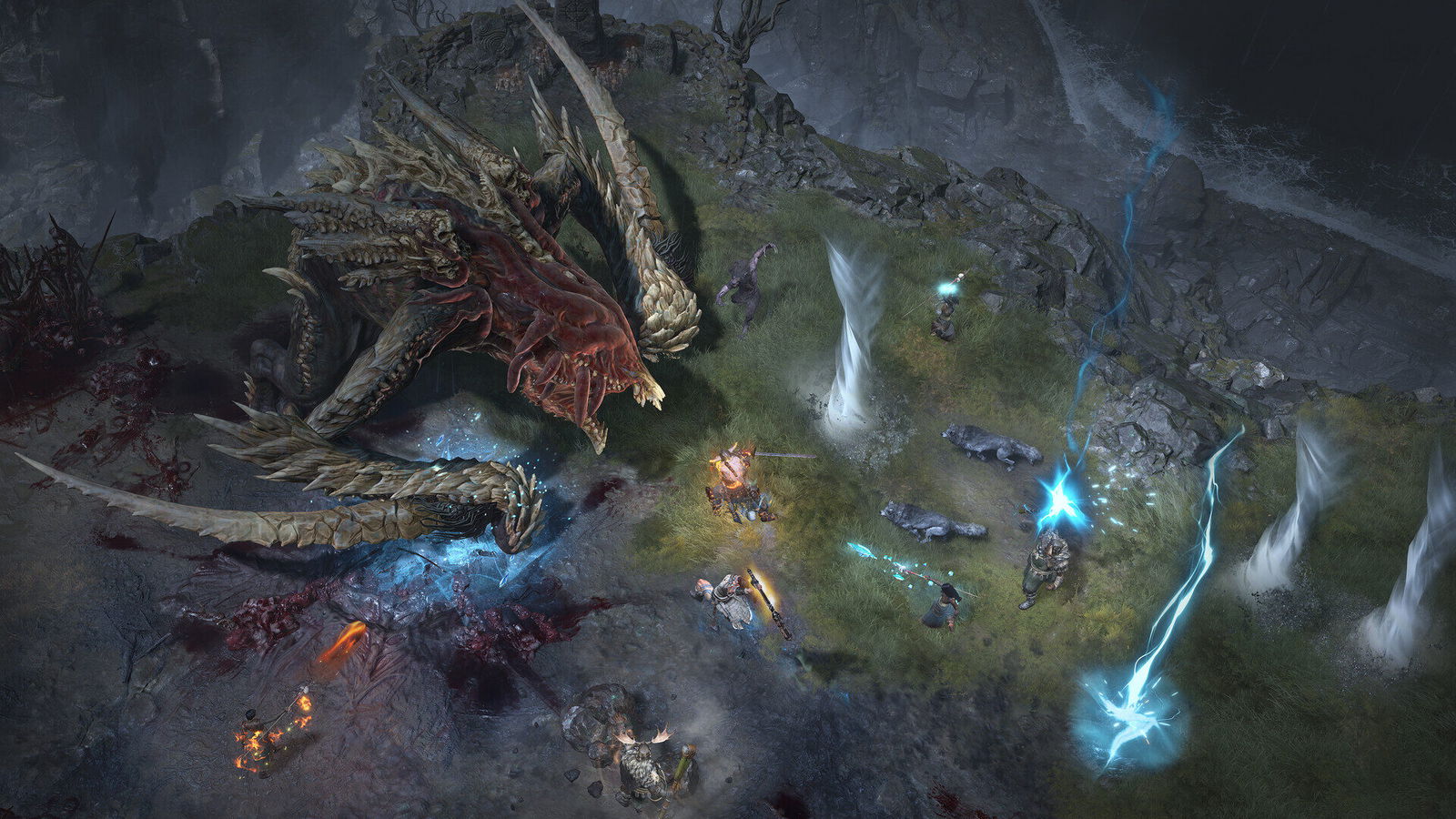
Picture this: you’re just grinding through another dungeon in *Diablo*, smashing skeletons like a caffeinated toddler with a piñata stick. Suddenly, a legendary sword drops. Your brain short-circuits. You’re shouting at your screen like you just won the lottery. Why? Because RNGesus blessed you with His chaotic favor. That’s the thing—some of the best gaming moments happen when you least expect them. You open a treasure chest, and boom, rare loot. A boss dies, and surprise, it drops that weapon you’ve been grinding for since the Clinton administration. You pull off some wild, half-baked strategy that should’ve failed harder than a vegan BBQ, and yet… you win. These moments? Pure gold. They’re unpredictable, thrilling, and keep you coming back like a lab rat chasing the cheese of uncertainty.
Now, developers? They’re not dumb. They’ve been milking this randomness thing for years like it’s the last cow on Earth. Random rewards, surprise events, and “what the hell just happened” outcomes are baked into nearly every popular game today. Open-world RPGs? Check. Fast-paced shooters? Double check. They know exactly what they’re doing—hooking you with the promise of “maybe this time” until you’re mainlining gameplay like it’s black market espresso.
A Little Bit Of Random Drop Magic
Let’s talk loot-based games for a sec. You know the ones—*Diablo*, *Borderlands*, *Hades*—where every enemy is basically a walking slot machine. In *Diablo*, every skeleton, demon, or whatever has a chance to drop gear with different stats. That means no two runs are alike. *Borderlands* cranks it to eleven with millions of possible weapon combinations. The gun you just found? It’s probably a one-of-a-kind abomination that not even its mother would love. And in *Hades*? Every run is a chaotic cocktail of powers, enemies, and “oh no why is everything on fire” moments.
Here’s the kicker: even if you replay the exact same level in the exact same way, you never know what you’ll find. That’s the beauty of it. The game gives you a *chance*, not a *promise*. And that sliver of uncertainty? It’s crack for your brain. Each time an enemy drops something, there’s that little spark of “maybe this is THE ONE.” You share it with friends, spam screenshots online, and suddenly you’re five hours deep, praying the next run will bless you with that elusive legendary drop. And the best part? The game doesn’t even need to reward you every time. The *possibility* is enough to keep you hooked.
There’s No Escaping RNG In Gaming
Alright, let’s get nerdy for a second. Randomness in games is often called RNG—short for “random number generation.” Sounds fancy, but it’s just a glorified dice roll. Games use systems to determine unpredictable outcomes, and once you start noticing it, it’s *everywhere*. In card games like *Hearthstone*, your next draw could completely flip the script. In battle royales like *Fortnite*, the weapons you find at the start can make or break your match. Even in sports games like *FIFA* or *NBA 2K*, that perfect shot you lined up? Yeah, it might miss because the game decided today’s not your day.
But here’s the thing: randomness doesn’t make games unfair. It makes them *dynamic*. It forces you to adapt instead of relying on the same cheesy strategy every time. Because let’s be real—if every match played out exactly the same, you’d be bored out of your skull faster than a goldfish in a blender.
Players Love Studying the Odds
Once players realize randomness is a thing, something weird happens—they start obsessing over it. Like, *really* obsessing. Gamers share drop rates online like they’re trading baseball cards. In *Genshin Impact*, entire communities track how often rare characters appear, creating spreadsheets that would make an accountant weep. In *Warframe*, players calculate farming efficiency down to the second, because apparently, math is now a hobby.
Some even dive into how chance-based systems work in other digital spaces. Ever heard of Michigan online casinos? Yeah, those exist, and they’re basically RNG in a suit. It’s all structured chance systems, baby. Whether you’re chasing rare loot or just trying to understand the math behind it, randomness has become a whole subculture of its own.
Why Unpredictable Moments Feel So Good
Imagine if games always gave you the same reward for doing the same thing. Yawn. If every chest in *Super Mario* always dropped a mushroom, you’d stop caring after the first five. Randomness keeps things spicy. In *Super Mario*, you never know what’s coming out of that block until you smack it. In roguelikes like *Dead Cells*, every run is a chaotic mess of different enemies, upgrades, and “oh god why is everything on fire” moments.
Game designers know this. They carefully balance how often the best rewards appear so you stay interested without wanting to throw your controller through the wall. It’s a delicate dance between frustration and euphoria, and when they get it right, it’s magic.
The Surprise Factor That Keeps Games Fresh
At the end of the day, randomness gives games something priceless: replay value. A match will never feel exactly the same twice. In *Apex Legends*, different loot drops and team encounters make every round a new adventure. In *Minecraft*, the world is randomly generated, so no two players ever have the same experience. New combinations pop up, and strategies that made no sense before suddenly start working. That unpredictability keeps players curious, engaged, and coming back for more.
And that curiosity? It’s what drives the biggest gaming communities today. It’s what makes you say, “Just one more run,” at 3 a.m. It’s what keeps you chasing those rare, unforgettable moments that make a session legendary.
Sometimes, the best part of a game is not knowing what will happen next. And honestly? That’s kind of beautiful. 🎮✨

Pixel P. Snarkbyte, widely regarded as the “Shakespeare of Sh*tposts,” is a video game expert with a unique knack for turning pixels into punchlines.
Born in the small town of Respawn, Pennsylvania, Pixel grew up mashing buttons on an ancient NES controller, firmly believing that “blowing into the cartridge” was a sacred ritual passed down through generations.
Pixel P. Snarkbyte: proving that life, much like a buggy open-world game, is better with a little lag-induced chaos.
⚖️ ENTER THE LEGALIZER
Think the government has no idea what it's doing? Put your case before the Federal Case Terminal and find out.