Hey there, fellow gamers and collectors! Let’s talk about the crazy world of gaming memorabilia 🤯. I mean, who wouldn’t want to own a piece of gaming history, right? 🎮 It’s like having a time machine in a box 🕰️. But, let’s get real, it’s not all fun and games (pun intended 😜). There’s a lot to consider when building a collection, and it’s easy to get burned 🔥. So, buckle up, folks, and let’s dive into the wild world of gaming memorabilia 🎢.
Nostalgia is a powerful thing, and it’s what drives people to collect gaming memorabilia 💭. Limited editions create a sense of urgency 🕒, and shared culture decides what becomes iconic 🤩. But, let’s not forget about the XRP price 📊. I mean, who doesn’t love a good cryptocurrency 🤑? It’s like the ultimate gaming currency 💸. Anyway, back to the topic at hand 🙅♂️. The difference between a collection and a pile of expensive stuff is a plan 📝. And, that’s what this guide is all about 📚.
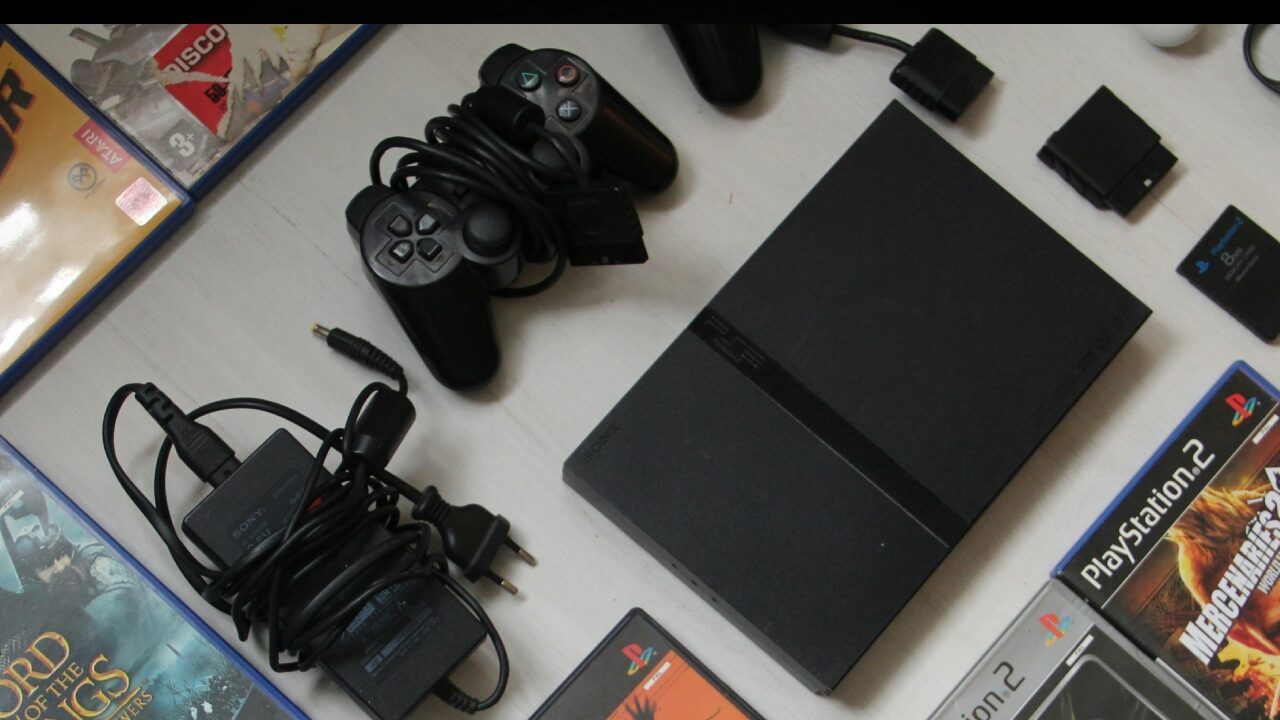
So, what actually counts as gaming memorabilia 🤔? Well, it’s not just about collecting any old thing 🚮. There are a few reliable categories that hold long-term interest 📈. Physical items like sealed games, complete-in-box releases, hardware revisions, controllers, and handhelds are the core of most collections 🎮. And, let’s not forget about collector’s editions 🎁. You know, the ones with statues, art books, steel cases, and soundtrack sets 🎵. Printed materials like strategy guides, inserts, fold-out maps, and original posters can also be super valuable 📖. It’s all about the nostalgia, baby 👶!
Promotional and event items are also super cool 🎉. Press kits, store displays, tournament merchandise, convention exclusives, and launch event swag can be super valuable 📈. Era significance is key 🔑. Memorabilia holds longer collector interest when it represents a turning point in gaming history 📆. Objects anchored to a moment that actually mattered to the culture are the ones that age well 🙏.
Now, let’s talk about the importance of condition, completeness, and provenance 📝. Condition grading is where collectors gain confidence or quietly lose money 💸. Small defects can matter a lot at the high end of the market 📊. And, provenance is the collector’s quiet advantage 🤫. It reduces fraud risk, supports insurance, and provides context that makes a collection meaningful 📚. So, document everything, folks 📝. Take photos, keep purchase confirmations, and hold onto any relevant event materials 📁.
When it comes to sourcing gaming memorabilia, there are a few channels to explore 📺. Local game stores are great for in-person inspection 👀. Conventions are perfect for networking and discovery 🤝. Auctions help with price discovery for unusual pieces 📊. Collector communities offer honest relationships and require patience and reputation-building over time 🕰️. And, estate sales bring serendipity 🎁. The strongest collections use more than one channel 📈.
So, how do you prevent awkward deals 🙅♂️? Well, it’s all about due diligence 📝. Ask direct, polite questions 🤔. Has there been any restoration? Are you the original owner? Can you photograph the serial number, board, or insert? 📸. Negotiation works best when it focuses on condition, completeness, and verifiable uncertainty 📊.
Now, let’s talk about storage, display, and long-term preservation 📦. Most deterioration in gaming memorabilia is preventable with basic environmental control 🌡️. UV damage is the quietest problem 🌞. Temperature and humidity stability matter more than achieving perfect conditions 🌡️. Practical storage doesn’t require specialized equipment 📦. Acid-free sleeves, protective cases, dust covers, and silica gel packs address most long-term risk 📈.
Inventory is key 🔑. A simple spreadsheet covers the essentials 📝. Item, edition, condition notes, purchase price and date, photo file location, and provenance summary 📊. Add a column that notes why the item fits the thesis 📝. This keeps the collection from drifting into random accumulation 🚮.
Finally, let’s talk about running comps and understanding market value 📈. Market value is best estimated from recently sold comps, not asking prices 📊. Listings represent hope; completed sales represent reality 📊. A reliable method is to collect three to five recent sales of the same edition in comparable condition 📈. Adjust for completeness and note whether the item sells regularly or sits 📊.
So, there you have it, folks 🎉. The starting sequence that works is to build the system first 📈. Write a collecting thesis, set a monthly budget and a per-item ceiling, build the inventory template, and make one purchase that fits the plan 📝. Consistency builds a collection that lasts 🙏. The point is not to own everything; the point is to own the right things, on purpose 🎯. Happy collecting, gamers 🎮! 🎉

Pixel P. Snarkbyte, widely regarded as the “Shakespeare of Sh*tposts,” is a video game expert with a unique knack for turning pixels into punchlines.
Born in the small town of Respawn, Pennsylvania, Pixel grew up mashing buttons on an ancient NES controller, firmly believing that “blowing into the cartridge” was a sacred ritual passed down through generations.
Pixel P. Snarkbyte: proving that life, much like a buggy open-world game, is better with a little lag-induced chaos.
⚖️ ENTER THE LEGALIZER
Think the government has no idea what it's doing? Put your case before the Federal Case Terminal and find out.