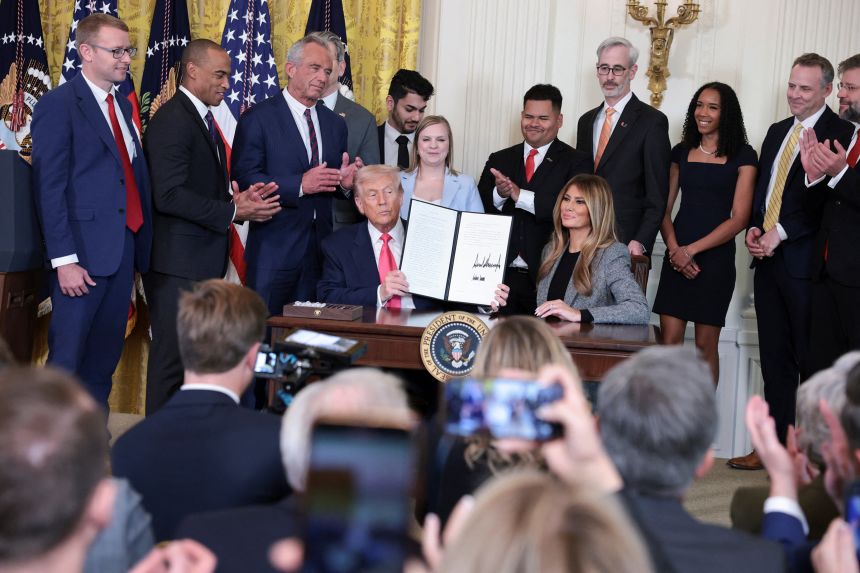
Folks, I almost spilled my coffee reading this one. The latest news about the civilian nuclear agreement between the United States and Saudi Arabia is a real doozy. On Wednesday afternoon, officials gathered at the downtown Washington headquarters of the Energy Department for an event more than two decades in the making: the signing of a civilian nuclear agreement between the United States and Saudi Arabia. Two sets of American and Saudi flags were placed on stage and on the table where Energy Secretary Chris Wright was seated. A large screen beamed in his Saudi counterpart from Riyadh. After months of delay, the arrangement was finally signed. But, as it often does, chaos ensued.
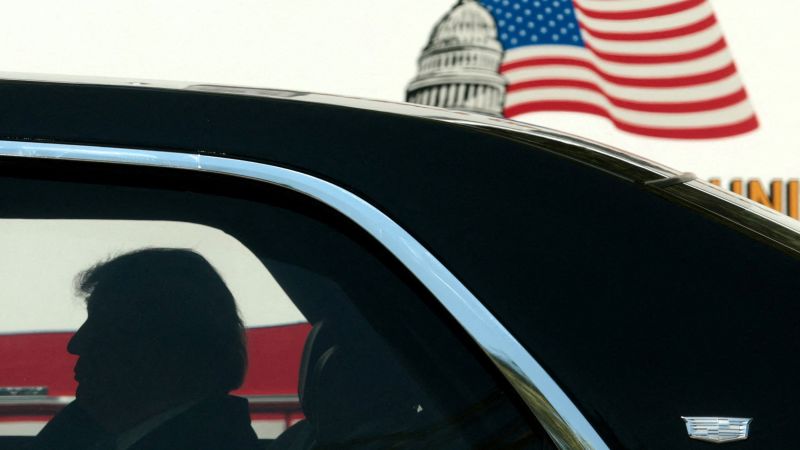
The Saudis had won much of their wish list for the deal, which is no surprise. But things took a turn when Trump said in a social media post that the deal was subject to a new condition: Saudi Arabia would have to join the Abraham Accords, an initiative dating back to Trump’s first administration that led to several Arab countries normalizing their diplomatic stance toward Israel. Trump also denied that the agreement would allow uranium enrichment. You can’t make this stuff up, right?
The president, according to a source familiar with the matter, was already angry over the unveiling of the deal, which Wright had not told Trump he would be announcing. Trump’s frustration was then exacerbated, sources told CNN, after a flurry of criticism from experts and conservative media outlets. This included skeptical coverage on his preferred channel, Fox News, and on the editorial page of the Wall Street Journal that questioned why the deal was made absent a normalization agreement — something both outlets pointedly noted President Joe Biden had been seeking.
The new condition, which the White House insisted was long a goal of Trump’s and shouldn’t have shocked anyone, surprised the administration’s own nuclear negotiators, for whom the Abraham Accords condition was unexpected, two sources briefed on the matter told CNN. As confusion took over, White House officials pointed the finger at their colleagues at the Energy Department, according to one source, who said the White House had asked the Energy Department not to roll the agreement out on Wednesday. But Wright, who White House officials have complained in the past got over his skis, went ahead anyway, including in an interview on Fox Business.
The deal, in the mind of some Trump aides, was not finalized since letters required to be sent to Congress hadn’t gone out. And the president and many of his senior staffers were livid at the decision to roll out the deal, the source said. “President Trump’s energy team is fully aligned, and always has been: the civil nuclear deal being brokered between the United States and Saudi Arabia is contingent on Saudi Arabia joining the successful Abraham Accords, which will help bring true peace to the Middle East,” White House spokesperson Taylor Rogers said in a statement.
The Energy Department stressed its close coordination with the White House. “This is fake news. The Department of Energy has closely coordinated the negotiations and then announcement of these agreements with the White House and the State Department. Any suggestion otherwise is false,” press secretary Ben Dietderich said in a statement, adding that the deal and the Abraham Accords “achieve a common goal — delivering lasting peace through commerce, not conflict.” Somewhere in Atlanta, a producer thought this sounded terrifying, I’m sure.
The White House’s ire grew when the Thursday press briefing was dominated by questions over the deal. Karoline Leavitt noted that Trump was the “final dealmaker” when asked why the new condition had not been part of Wednesday’s announcement. Trump’s Truth Social post Thursday morning also blindsided the Saudis, for whom the nuclear deal — which did not include the normalization requirement — had been a major triumph.
The move was a last-minute twist in a years-long diplomatic effort. Nearly two decades after the US and Saudi Arabia first announced their intent to cooperate on nuclear energy, the two countries reached a tentative agreement in October of last year, when Wright and his Saudi counterpart made a joint statement. The Trump administration submitted a waiver report to Congress soon afterward due to the deal not requiring the Saudis to sign a standard agreement called the Additional Protocol with the International Atomic Energy Agency.
But after the initial waiver request to Congress, the deal languished for months without Trump’s approval to proceed, CNN previously reported. Sources attributed the delay to concerns over the Iran war and fears that Congress could disapprove the agreements. Energy officials believed they received Trump’s blessing late last week, according to a source familiar with the matter, and the department launched its long-planned media rollout.
The coverage in conservative media proved influential in the president’s decision to block the agreement in its current form, according to people familiar with the matter. “This deal’s origins are in the Biden Administration, which held out nuclear cooperation as a reward if the Saudis were to join the Abraham Accords,” the Journal’s editorial board — often skeptical of Trump — wrote Thursday. “Riyadh has resisted pressure to do so, but its reward now arrives from the Trump Administration anyway. One has to hope the Saudis have offered something more.”
Fox News, at the top of the 7 a.m. hour, offered skepticism in the same vein. Host Brian Kilmeade called the deal “a bit of a surprise” and noted that such an arrangement was considered during Biden’s administration. “During the Biden years, they said we’ll think about it. But before we do that, we need you to sign on to the Abraham Accords,” Kilmeade said, sounding puzzled since Prince Mohammed bin Salman got along much better with Trump than with his predecessor.
In conclusion, the US-Saudi nuclear deal has been a long and winding road, full of twists and turns. The latest development, with Trump imposing new conditions on the deal, has left everyone scratching their heads. Bless their hearts, it seems like they still have a lot of work to do to get this deal done. And who knows, maybe someday we’ll look back on this and laugh, but for now, it’s just another day in the wild world of international diplomacy. 🙄
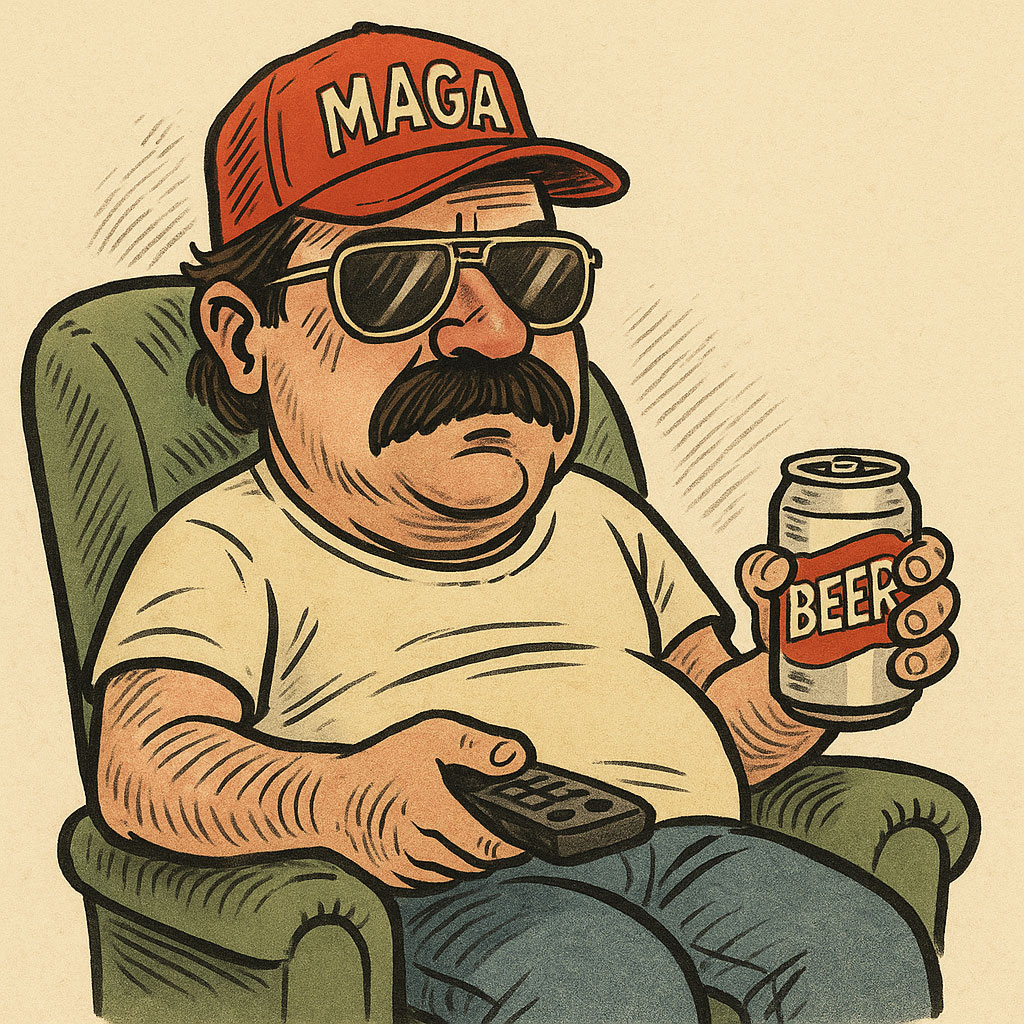
Armchair patriot. Believes in the free market, cold beer, and that there’s always a guy named George behind every CNN segment.
Former remote-throwing champion turned #1 couch commentator on liberal panic in the media. Born in Texas (or so his mug says), he earned a degree in Fake Newsology & Beer Philosophy from YouTube University.
⚖️ ENTER THE LEGALIZER
Think the government has no idea what it's doing? Put your case before the Federal Case Terminal and find out.