
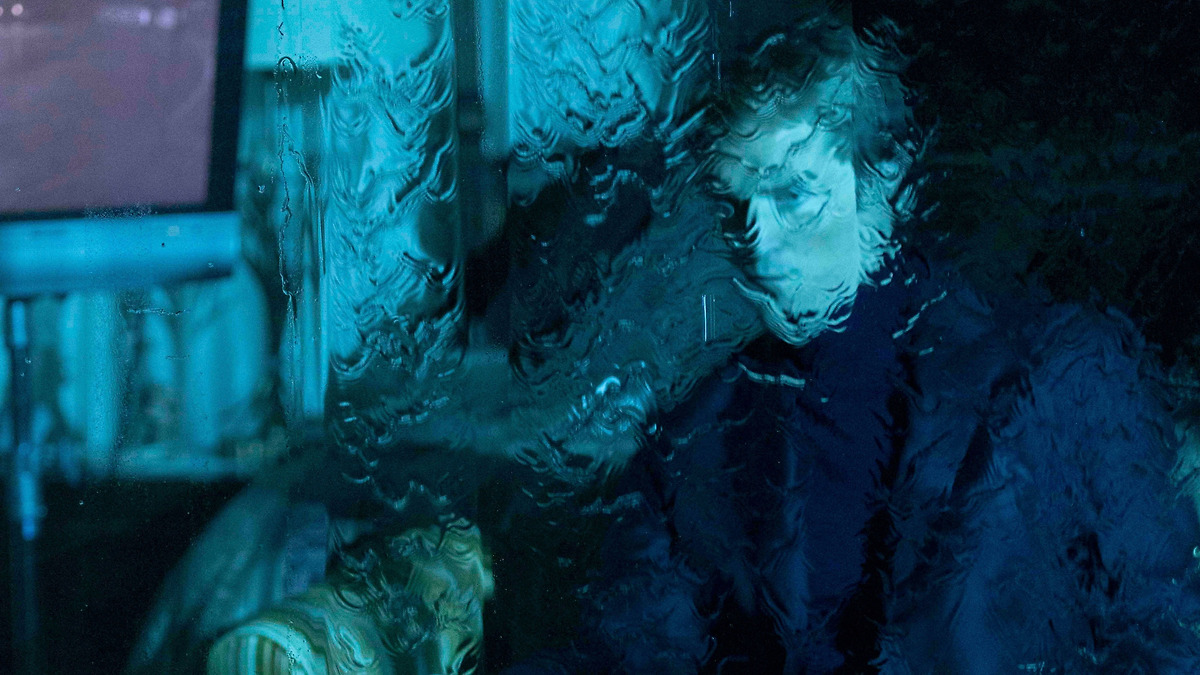
The latest autopsy of Hollywood’s addiction to sensationalism has arrived, and it’s a real treat. The new film Primetime takes a closer look at the making of To Catch a Predator, the Dateline NBC show that thrived on confronting would-be sex offenders. It’s a story that’s equal parts fascinating and disturbing, and Primetime doesn’t shy away from exploring the darker side of our collective fascination with true crime stories.
The film, directed by Lance Oppenheim, stars Robert Pattinson as Chris Hansen, the journalist who hosted To Catch a Predator. Pattinson’s performance is… interesting, to say the least. He looks nothing like Hansen, but that’s not really the point. The point is to capture the essence of a self-obsessed TV star who’s more concerned with his own fame than the actual impact of his show. And in that sense, Pattinson succeeds. He brings a level of charisma and arrogance to the role that’s hard to look away from.
But Primetime is more than just a character study of Chris Hansen. It’s also a commentary on the state of television and our society’s obsession with true crime stories. The film suggests that To Catch a Predator was less about justice and more about ratings. And in that sense, it’s a pretty scathing critique of the media and our own voyeuristic tendencies. We love to watch train wrecks, and To Catch a Predator was the ultimate train wreck. It was a show that preyed on our deepest fears and desires, and Primetime doesn’t hesitate to explore the darker side of that equation.
The Making of a Train Wreck
One of the most interesting aspects of Primetime is its behind-the-scenes look at the making of To Catch a Predator. The film shows how Hansen and his team would set up stings, using decoys and hidden cameras to catch would-be sex offenders in the act. It’s a fascinating and disturbing process, and Primetime doesn’t shy away from showing the more unsavory aspects of the show. We see Hansen’s excitement and arrogance as he confronts the offenders, and we see the toll it takes on his personal life. We also see the impact on the people around him, including his wife Mary (played by Anna Faris) and his producer Andie (played by Merritt Wever).
But what’s most striking about Primetime is its use of style and tone to convey the sensationalism of To Catch a Predator. The film is shot in a lurid, heavy-handed style, with plenty of ominous music and dramatic camera angles. It’s a deliberate choice, meant to evoke the same sense of sensationalism and drama that made To Catch a Predator so popular. And in that sense, it’s a clever commentary on the ways in which we consume and process true crime stories.
The Bigger Picture
Of course, Primetime is also a commentary on the broader media landscape. It’s a film that suggests that our obsession with true crime stories is just a symptom of a larger disease. We’re a society that’s addicted to sensationalism, and To Catch a Predator was just one example of that. The film shows how the pursuit of ratings and viewership can lead to a kind of moral compromise, where the ends justify the means. And it’s a critique that’s just as relevant today, in the age of social media and reality TV.
It’s also worth noting that Primetime is not the only film to tackle this subject. The documentary Predators covers similar ground, and it’s a far more thoughtful and nuanced exploration of the topic. But Primetime has its own strengths, particularly in its use of style and tone to convey the sensationalism of To Catch a Predator. It’s a film that’s unafraid to get its hands dirty, and that’s something to be admired.
In the end, Primetime is a film that’s hard to look away from. It’s a fascinating and disturbing look at the making of To Catch a Predator, and it’s a commentary on the broader media landscape. It’s not always easy to watch, but it’s a film that’s unafraid to confront the darker side of our obsession with true crime stories. And for that, it’s worth watching. But let’s be real, folks. This is just another example of Hollywood’s annual Nostalgia Harvest, where they dig up old ideas and repackage them for a new generation. Somewhere, a Focus Group earned another bonus, and executives reportedly nodded very seriously during an expensive meeting. Business as usual in Tinseltown.

Finn McFrame, celebrated satirical mastermind and self-proclaimed “Emperor of Irony,” started his illustrious career as a cinematographer, where his expertise in capturing every single frame of a squirrel stealing a baguette earned him accolades at obscure film festivals.
Born in the glamorous town of Boring, Oregon, Finn grew up with dreams of being a Hollywood director until he realized that satire, not cinema, was his true calling—or at least the one that let him sleep until noon.
Finn McFrame: changing the world, one satirical lens flare at a time.
⚖️ ENTER THE LEGALIZER
Think the government has no idea what it's doing? Put your case before the Federal Case Terminal and find out.