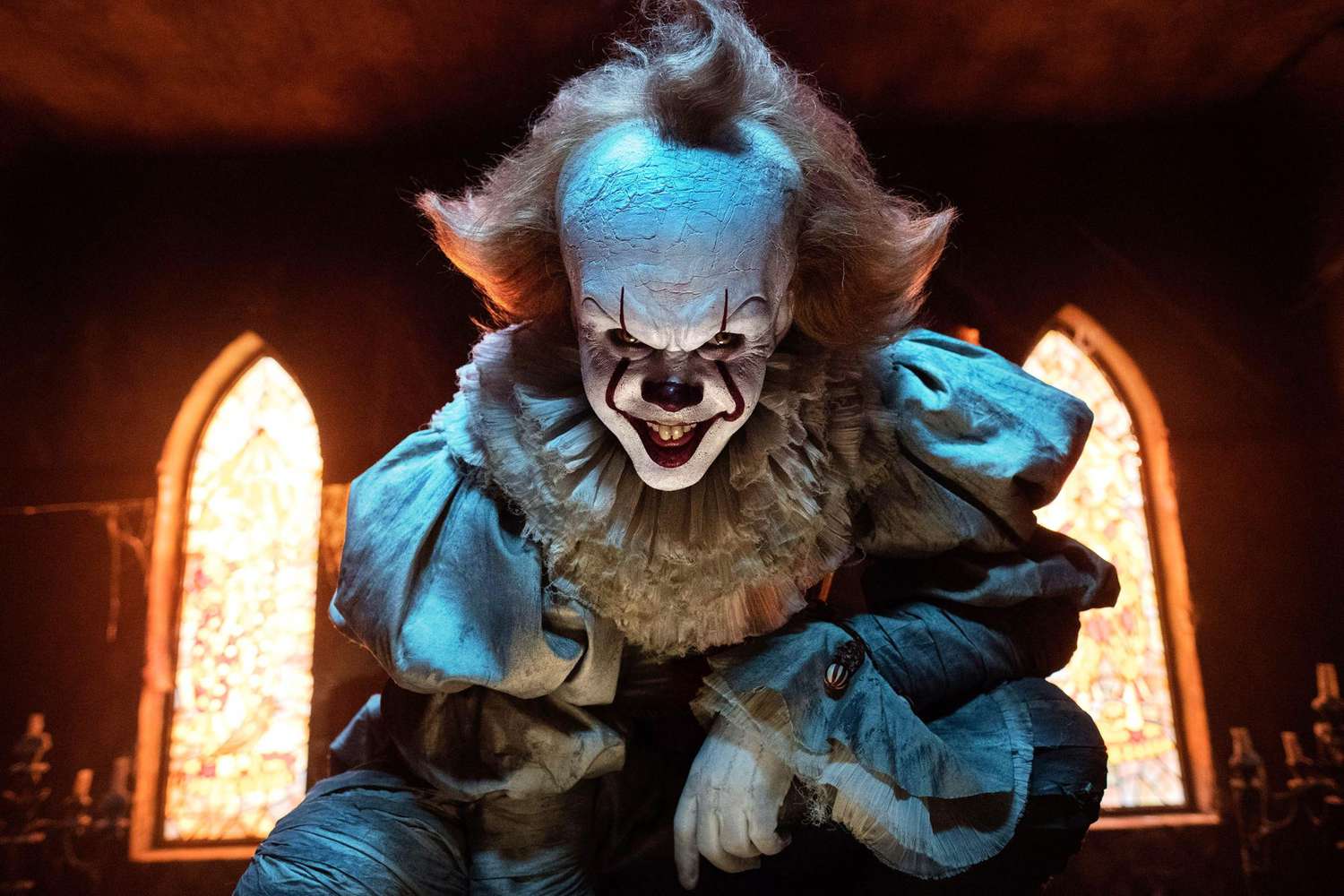
Horror movies are scary, sure, but you know what’s even scarier? Horror movie trailers. Those expertly crafted, adrenaline-fueled, sleep-depriving masterpieces that can turn a casual trip to the movies or a relaxing night in front of the TV into a heart-pounding, anxiety-ridden experience. Whether they catch you off guard in a movie theater or ambush you during a late-night TV commercial break, many horror movie trailers are designed to maximize fear and leave a lasting impression.
So, what makes these trailers so terrifying? Some pack in all the scariest moments from the movie, essentially spoiling the best parts but still managing to leave us on edge. Others rely on creepy music, ominous voiceovers, or contextless shots that evoke a sense of unease and uncertainty. The most effective trailers, however, are those that can balance scares with intrigue, making us both frightened and fascinated at the same time. It’s an art form that requires precision, creativity, and a deep understanding of what makes us tick – or in this case, what makes us scream.
The Art of Crafting a Memorable Horror Trailer
Creating a great horror trailer is no easy task. It requires a delicate balance between revealing just enough to pique our interest and not giving away too much, thereby spoiling the surprise. The best horror trailers are those that can build tension, create unease, and leave us with a lasting sense of dread, all within the span of a minute or two. Take, for example, the trailer for the 1974 sci-fi horror movie It’s Alive. This 25-second teaser is a masterclass in minimalist horror, featuring a baby carriage sitting in darkness, a spooky voiceover, and a sound that’s equal parts baby’s cry and demonic shriek. It’s a simple yet effective formula that has become a hallmark of the genre.
Another classic example is the trailer for Alien (1979), which eschews dialogue in favor of a haunting score and a rapid-fire sequence of eerie, unsettling images. The result is a trailer that’s both captivating and terrifying, making it one of the most iconic horror trailers of all time. Then there’s the trailer for The Shining (1980), which is more akin to an abstract art piece than a traditional movie trailer. Featuring a haunting score, dissonant sound effects, and a slow-burning sense of tension, it’s a trailer that’s both beautiful and unsettling, much like the movie itself.
Modern Horror Trailers: Still Scaring Us Silly
Fast-forward to the present day, and it’s clear that horror trailers continue to evolve and adapt, incorporating new techniques and technologies to scare us silly. Take, for example, the trailer for The Blair Witch Project (1999), which was famously marketed as a found-footage horror movie that blurred the lines between reality and fiction. The trailer itself was a key part of this campaign, featuring shaky handheld footage, creepy atmospheric sound effects, and a sense of raw, unbridled fear that helped to make the movie a cultural phenomenon.
In recent years, we’ve seen the rise of more atmospheric, slow-burning horror trailers that focus on building tension and unease rather than relying on cheap jump scares. The trailer for The Witch (2015) is a great example of this, featuring dissonant plucked string instruments, sudden sound effects, and a general sense of foreboding that sets the tone for the rest of the movie. Other notable examples include the trailers for Sinister (2012), Lights Out (2016), and Skinamarink (2023), each of which uses a unique blend of sound, image, and atmosphere to create a sense of unease and uncertainty.
And then, of course, there are the trailers that take a more unconventional approach, using everything from eerie sound design to viral marketing campaigns to create a sense of fear and unease. The trailer for 28 Years Later (2025) is a great example of this, featuring a haunting rendition of Rudyard Kipling’s poem “Boots” set to footage of rage zombies, soldiers, and other unsettling imagery. It’s a trailer that’s both fascinating and terrifying, making it a must-see for horror fans and a testament to the power of innovative marketing.
As the entertainment industry continues to evolve, it’s clear that horror trailers will remain an essential part of the movie-going experience. Whether they’re scaring us silly, making us laugh, or simply leaving us with a lasting sense of unease, horror trailers are an art form that continues to captivate and enthrall audiences around the world. So the next time you’re watching a horror trailer, remember: it’s not just about the scares – it’s about the art, the craft, and the sheer fun of being frightened out of your wits. And who knows, you might even lose some sleep over it. After all, as the saying goes, “don’t see it alone. Please.” Somewhere, a Hollywood executive is nodding in agreement, already planning the next big horror franchise. Because in the end, that’s what it’s all about: the never-ending quest for scares, the perpetual pursuit of profit, and the eternal cycle of sequels, remakes, and reboots that will haunt us for generations to come.

Finn McFrame, celebrated satirical mastermind and self-proclaimed “Emperor of Irony,” started his illustrious career as a cinematographer, where his expertise in capturing every single frame of a squirrel stealing a baguette earned him accolades at obscure film festivals.
Born in the glamorous town of Boring, Oregon, Finn grew up with dreams of being a Hollywood director until he realized that satire, not cinema, was his true calling—or at least the one that let him sleep until noon.
Finn McFrame: changing the world, one satirical lens flare at a time.
⚖️ ENTER THE LEGALIZER
Think the government has no idea what it's doing? Put your case before the Federal Case Terminal and find out.