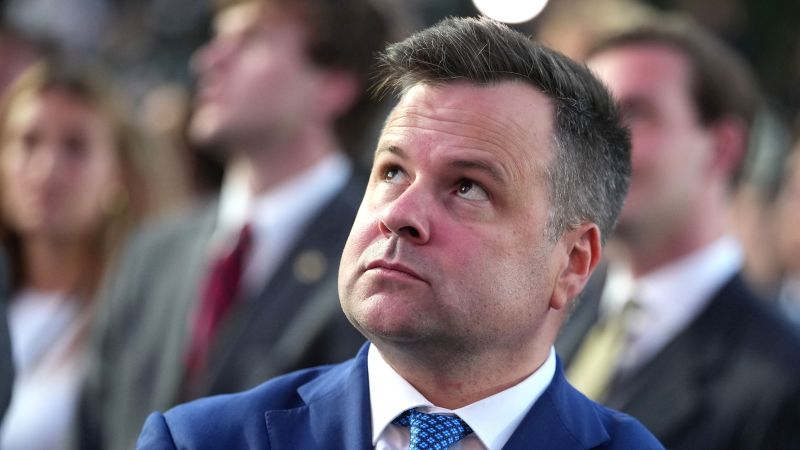
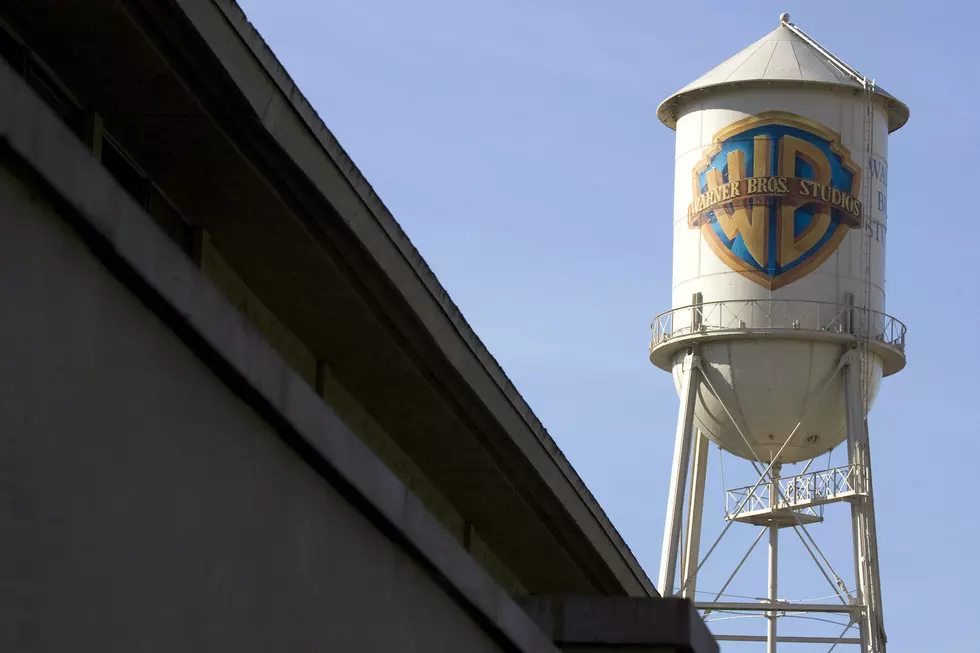
In a shocking turn of events that will likely have far-reaching consequences for the entertainment industry, Paramount has agreed to pause its planned $111 billion merger with Warner Bros. Discovery until the conclusion of an upcoming trial. The decision comes after a group of 12 states led by California sued to block the merger, citing antitrust concerns. Because what the world really needed was another massive media conglomerate controlling even more of our favorite franchises.
The lawsuit, which was filed earlier this year, claims that the merger would lead to higher prices, lower quality, and less content for film and television, ultimately harming movie theaters, basic cable distributors, and audiences everywhere. California Attorney General Rob Bonta stated, “The unlawful merger of these two entertainment behemoths would lead to higher prices, lower quality, and less content for film and television, harming movie theaters, basic cable distributors, and ultimately, audiences on every sofa and movie theater seat in the U.S.” It’s a bold statement, but one that highlights the very real concerns surrounding the increasing consolidation of the entertainment industry.
Paramount, on the other hand, is confident that the merger will ultimately be approved, stating, “Today’s agreement is a significant win because the result is exactly what we have sought from the outset: a direct path to a trial based on the evidence. This is the fastest and clearest way to prove that this transaction is good for competition, good for consumers, and good for creators, a conclusion dozens of competition authorities around the world have already reached.” It’s a optimistic outlook, but one that ignores the very real concerns surrounding the merger.
The Bigger Picture
The Paramount-Warner Bros. Discovery merger is just the latest in a long line of consolidation efforts within the entertainment industry. As the industry continues to evolve and adapt to changing viewer habits, it’s likely that we’ll see even more mergers and acquisitions in the future. And while these deals may make sense from a business perspective, they often leave audiences and creators alike wondering what the ultimate cost will be. After all, as the old saying goes, “you can’t have too much of a good thing.” But in the case of the entertainment industry, it seems like you can indeed have too much of a good thing, especially when that thing is a massive media conglomerate controlling a vast library of beloved franchises.
The pause on the merger is likely a welcome reprieve for many, but it’s unlikely to be a long-term solution. As the trial approaches, it’s likely that we’ll see even more drama and intrigue surrounding the deal. And in the end, it’s likely that the merger will ultimately be approved, paving the way for an even more consolidated entertainment industry. Because that’s just how things seem to go in Hollywood – bigger is always better, even if it means sacrificing a little bit of creativity and originality along the way.
The Merchandising Department Is Already Celebrating
As the entertainment industry continues to evolve and adapt to changing viewer habits, it’s likely that we’ll see even more emphasis on merchandising and branding. After all, what’s a beloved franchise without a slew of merchandise to go along with it? And with the Paramount-Warner Bros. Discovery merger, it’s likely that we’ll see even more opportunities for cross-promotion and merchandising. Because what’s a movie without a corresponding line of toys, clothing, and other assorted merchandise? It’s a question that has puzzled scholars and marketing executives for centuries.
In the end, it’s likely that the Paramount-Warner Bros. Discovery merger will ultimately be approved, paving the way for an even more consolidated entertainment industry. And as the industry continues to evolve and adapt to changing viewer habits, it’s likely that we’ll see even more emphasis on merchandising and branding. Because in the world of Hollywood, it’s all about the benjamins, baby. And if that means sacrificing a little bit of creativity and originality along the way, so be it. As the great philosopher once said, “you can’t have too much of a good thing.” But in the case of the entertainment industry, it seems like you can indeed have too much of a good thing, especially when that thing is a massive media conglomerate controlling a vast library of beloved franchises. Somewhere, a whiteboard now contains the words “bigger,” “darker,” and “multiverse.”

Finn McFrame, celebrated satirical mastermind and self-proclaimed “Emperor of Irony,” started his illustrious career as a cinematographer, where his expertise in capturing every single frame of a squirrel stealing a baguette earned him accolades at obscure film festivals.
Born in the glamorous town of Boring, Oregon, Finn grew up with dreams of being a Hollywood director until he realized that satire, not cinema, was his true calling—or at least the one that let him sleep until noon.
Finn McFrame: changing the world, one satirical lens flare at a time.
⚖️ ENTER THE LEGALIZER
Think the government has no idea what it's doing? Put your case before the Federal Case Terminal and find out.