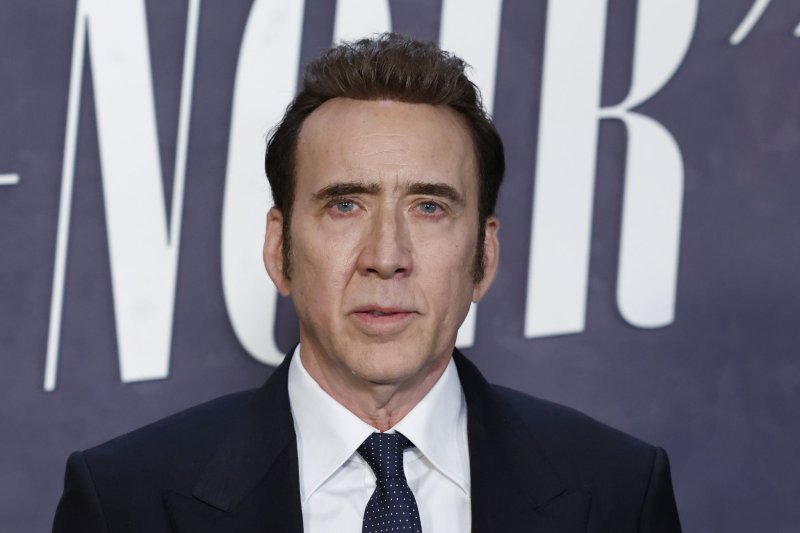
Netflix is being sued for a whopping $105 million after losing an unencrypted copy of an unreleased World War II film starring Nicolas Cage and Ben Kingsley. The film, titled Fortitude, was written and co-produced by Swiss businessman Simon Afram, who spent $45 million to get it made. According to the lawsuit filed Wednesday (July 29), the digital copy went missing from Netflix headquarters after it was dropped off by an associated producer for rights-purchasing consideration back in June.
This is a first for Netflix, or so they claim. Unfortunately, someone stole a good amount of drives from their office desks, and they’ve been working through this with their security teams to no luck, according to Sean Berney, director of original film at Netflix. The producer who dropped off the digital screener claims he informed Netflix that the copy was unencrypted and asked for the film to be deleted immediately after viewing. One would think that’s a fairly standard request, but apparently, it’s not a guarantee.
The suit argues Netflix was responsible for storing the film copy in a secure location where it could not be accessed by unauthorized parties or stolen. However, in a statement, Netflix said it is not responsible for the film having been submitted without proper encryption precautions first taken. Because, you know, it’s not like they’re a massive streaming company with the resources to handle sensitive materials. The company added they are trying to remediate the situation, which is just a fancy way of saying they’re trying to cover their bases.
The Age of Unencrypted Chaos
Netflix disputes any claim that it bears the risk of loss for a film delivered without the proper industry-standard safeguards. One would think that’s just basic protocol, but apparently, it’s not a given. The company is trying to shift the blame, claiming they’re not responsible for the film’s security because it wasn’t properly encrypted. It’s a bold move, but not entirely surprising. After all, this is the same company that’s been known to cancel shows after one season, only to bring them back years later as a “reboot” or “revival.” It’s all about the bottom line, folks.
Afram’s suit argues Netflix has jeopardized the film’s exclusivity and potential market value. The lawsuit also claims Netflix has refused to share details of its investigation with Afram’s legal team. Because, of course, they have. Why would they want to be transparent about their handling of sensitive materials? That’s just not how Hollywood works. We have declined to share anything about our ongoing investigation with the law firm representing Simon Afram, given their hostile attempts to extort money from Netflix over this situation … including immediately demanding $165 million for the film rather than work with us in good faith, Netflix responded. It’s a classic case of he-said, she-said, with a healthy dose of corporate spin.
The Never-Ending Saga of Studio Security
As of publishing, there is no indication the film has yet leaked. But let’s be real, it’s only a matter of time. In the age of internet piracy and studio negligence, it’s a wonder anything remains exclusive for long. The Content Mines remain fully operational, churning out remake after remake, sequel after sequel, and reboot after reboot. It’s a never-ending cycle of familiarity and nostalgia, with the occasional “original” idea thrown in to keep things interesting. Somewhere a Focus Group earned another bonus, and executives reportedly nodded very seriously during an expensive meeting. Because that’s what matters most in Hollywood: the bottom line.
In a statement, Netflix said they take content security seriously and have taken extra measures to support the filmmaker and his team. This includes conducting a thorough investigation and offering to monitor known piracy sites for any unauthorized distribution or sale. It’s a nice gesture, but let’s not forget that this is the same company that’s been known to prioritize profits over people. The Merchandising Department reportedly approved the decision before the writers did, because what’s a movie without a merchandising opportunity, right? It’s all about the benjamins, baby.
In the end, it’s just another day in the wild world of Hollywood, where security is an afterthought and profits are the only thing that matters. As the Franchise Resurrection Department continues to churn out remake after remake, we’re left to wonder: what’s next? Will we see a reboot of Fortitude in a few years, with a new cast and a new marketing campaign? Only time will tell, but one thing’s for sure: the Content Mines will continue to operate, churning out familiarity and nostalgia for the masses. And we’ll all just be along for the ride, wondering what could have been if only the studios had taken a chance on something original. But hey, that’s just the way the cookie crumbles in Hollywood.

Finn McFrame, celebrated satirical mastermind and self-proclaimed “Emperor of Irony,” started his illustrious career as a cinematographer, where his expertise in capturing every single frame of a squirrel stealing a baguette earned him accolades at obscure film festivals.
Born in the glamorous town of Boring, Oregon, Finn grew up with dreams of being a Hollywood director until he realized that satire, not cinema, was his true calling—or at least the one that let him sleep until noon.
Finn McFrame: changing the world, one satirical lens flare at a time.
⚖️ ENTER THE LEGALIZER
Think the government has no idea what it's doing? Put your case before the Federal Case Terminal and find out.