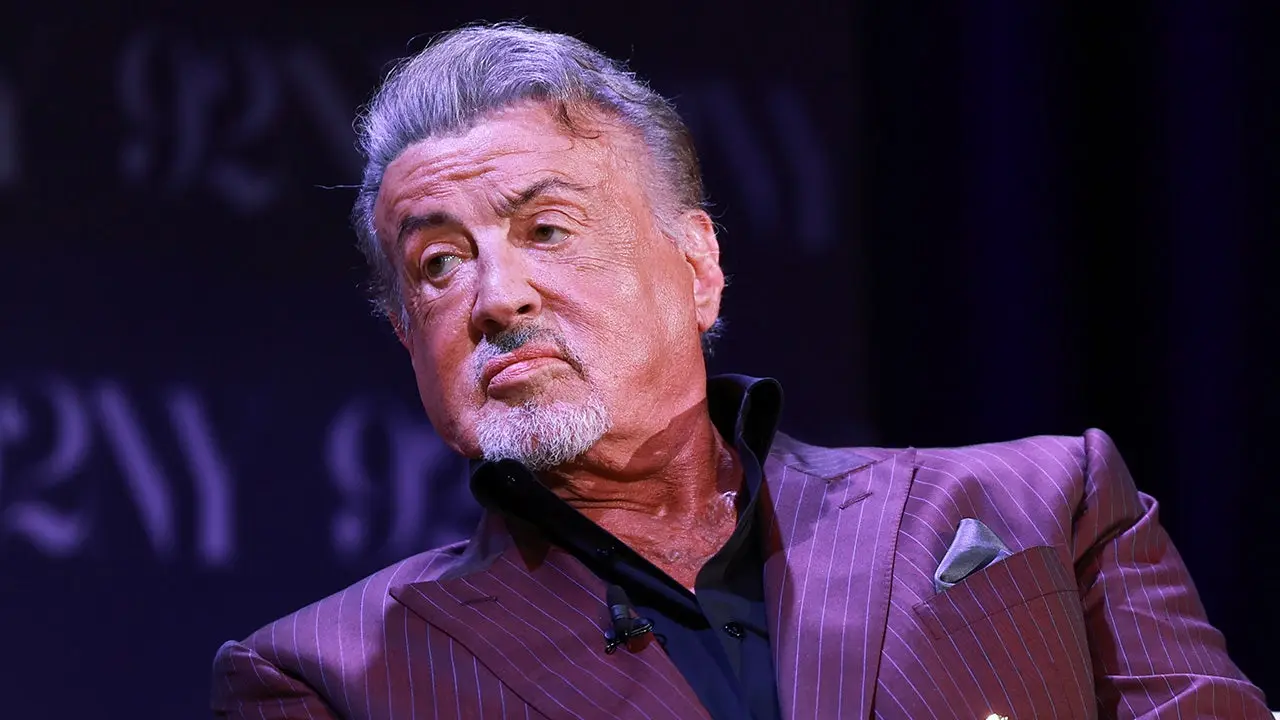
The Rambo franchise has been a wild ride, folks, and it’s about to get even wilder. Sylvester Stallone, the man behind the iconic character, has been reflecting on the series and his own role in its transformation from a gritty, psychological thriller to a bombastic, ludicrous action movie. In a recent interview with Lulu Garcia-Navarro of The New York Times, Stallone blamed himself for the character’s turn into what he called “kind of like a cartoon.” And honestly, it’s hard to argue with that assessment.
The first Rambo movie, First Blood, is a masterclass in tension and character study, exploring the psychological scars of a Vietnam War veteran and his brutal treatment at the hands of a small-town sheriff. But as the series progressed, things took a turn for the absurd. The second movie, Rambo: First Blood – Part II, saw our hero returning to Vietnam to rescue forgotten American POWs, and it was all downhill from there. The third film had Rambo fighting alongside the Mujahideen in Afghanistan, while the fourth had him slaughtering Burmese soldiers to rescue kidnapped American missionaries. And don’t even get me started on the fifth movie, which saw Rambo single-handedly dismantling a drug cartel’s human trafficking ring by turning his ranch into a Home Alone-style death trap. It’s a wonder the character didn’t get whiplash from all the tonal shifts.
The Evolution of Rambo: From Gritty to Cartoonish
Stallone’s comments about his own “clandestine narcissism” during the production of the later Rambo films are telling. It’s clear that he got caught up in the excitement of creating bigger, more explosive action sequences, and lost sight of the character’s depth and nuance. As he put it, “It was terrible… kind of like a cartoon.” And that’s exactly what the franchise became – a cartoonish, over-the-top spectacle that prioritized bravado and bulletproof heroes over genuine character development. It’s a shame, really, because the original Rambo movie had so much potential for exploration and commentary on the human cost of war.
The fact that Lionsgate is now producing a new Rambo movie without Stallone’s involvement is both surprising and predictable. The franchise has become a cash cow, and it’s no secret that studios will milk a successful IP for all it’s worth, even if it means sacrificing quality and coherence. The new movie, titled John Rambo, will be a prequel, with Noah Centineo playing the young Rambo during his time in the Vietnam War. David Harbour will play Col. Trautman, Rambo’s commanding officer. It’s hard to say whether this new iteration will be an improvement over the previous ones, but one thing’s for sure – it’ll be a spectacle, and people will flock to see it.
The Never-Ending Quest for Nostalgia
It’s worth noting that the Rambo franchise is just one of many IPs that have been resurrected in recent years, as studios continue to mine the past for familiar characters and storylines. It’s a trend that shows no signs of slowing down, with remakes and reboots popping up left and right. And why not? Nostalgia is a powerful force, and audiences love to revisit old favorites. But at what cost? The constant recycling of old ideas is starting to feel like a creative dead end, a sign that Hollywood has run out of new ideas and is instead relying on familiar IP to carry the load. Somewhere, a focus group is earning another bonus for telling executives that audiences want more of the same.
As for Stallone, he’s moved on to other projects, including a memoir about his life and career, titled The Steps. It’s likely to be a fascinating read, especially given his candid comments about the Rambo franchise. And who knows? Maybe the new Rambo movie will surprise us all and turn out to be a thoughtful, nuanced exploration of the human condition. But I wouldn’t hold my breath. After all, as the saying goes, “you can’t teach an old dog new tricks.” And in Hollywood, it seems like the old dogs are still running the show. Executives reportedly nodded very seriously during an expensive meeting, and the Merchandising Department has already approved the decision to produce a line of Rambo-themed merchandise. Because what’s a movie without a few hundred million dollars in merchandising opportunities, right?

Finn McFrame, celebrated satirical mastermind and self-proclaimed “Emperor of Irony,” started his illustrious career as a cinematographer, where his expertise in capturing every single frame of a squirrel stealing a baguette earned him accolades at obscure film festivals.
Born in the glamorous town of Boring, Oregon, Finn grew up with dreams of being a Hollywood director until he realized that satire, not cinema, was his true calling—or at least the one that let him sleep until noon.
Finn McFrame: changing the world, one satirical lens flare at a time.
⚖️ ENTER THE LEGALIZER
Think the government has no idea what it's doing? Put your case before the Federal Case Terminal and find out.