
Oh boy, are you ready for a wild ride of subjective opinions and biased reviews? 🎢 Because, let’s be real, entertainment reviews are all about trust… and a little bit of trolling 😜. A clear review can turn subjective taste into “evidence” (wink, wink), but each field weighs that question differently, because, why not? 🤷♀️
Some review sites compare a whole range of metrics in detail, whilst others simply aggregate whether or not something is ‘good’ 🤔. It’s like, come on, who needs details when you can just have a thumbs up or down? 👍👎 Whether you’re weighing a new RPG, a summer movie, or a platform, the best criticism helps you understand the experience before you commit… or not, because, let’s face it, you’re probably just gonna watch the trailer and decide from there 📺.
For games, user experience begins with control 🎮. Does movement feel precise? Do menus explain themselves? Does performance hold up when the screen gets busy? 🤯 Action-game reviews can cover aspects like shooting feel, traversal, loot drops, and open-world structure 🎯. A game can have ambitious ideas, yet lose you if the camera, input lag, or onboarding gets in the way 🚫. But hey, who needs a good camera when you can just run around in circles and shoot things? 🔄
Movie reviews measure experience through pacing, clarity, performance, and tone 🍿. You don’t control a film, so it’s generally a much simpler case of whether the various aspects of production have combined to make it enjoyable or not 🤔. A critic judging a horror movie or superhero release asks whether the edit, sound, script, and cast keep you engaged across the runtime 🕰️. And, let’s be real, if it’s a Marvel movie, it’s gonna be good, no matter what 🙄.
Online casino reviews provide a useful point of comparison because they demonstrate how review standards change when money, compliance, and customer support are involved 💸. Rather than focusing primarily on subjective entertainment value, reviewers in these sectors tend to assess measurable consumer-facing factors such as reliability, transparency, and user experience 📊. Because, you know, when it comes to online casinos, you want to make sure you’re not getting scammed… or are you? 🤑
Aggregators simplify complex opinions, which can help when you’re scanning 📊. Metacritic says its Metascore is a weighted average of critic reviews across games, movies, TV, and music 📈. OpenCritic, focused on games, commonly displays a Top Critic Average, a Critics Recommend percentage, and a percentile rank 🎉. Those metrics suit games because performance, mechanics, and replay value can be compared across platforms and genres 📊. But, let’s be real, who needs numbers when you can just watch a YouTube review and take their word for it? 📹
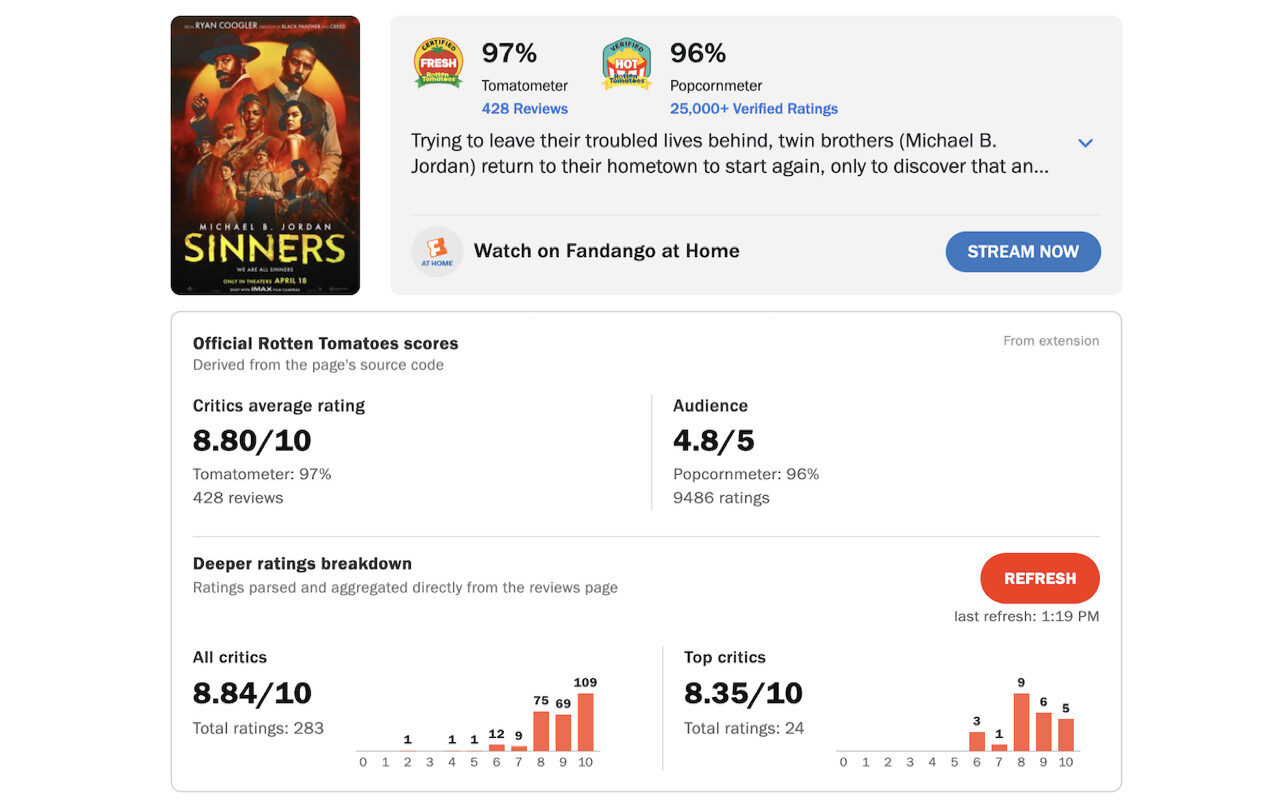
Film metrics work differently 🎥. A Rotten Tomatoes score tells you how many critics leaned positive, while Metacritic’s movie score tries to capture intensity of opinion on a 0-to-100 scale 🤔. A film with many mild recommendations can look strong on one site and less exceptional on another 📊. That gap is precisely why readers still need full reviews… or not, because, let’s face it, you’re probably just gonna read the summary and call it a day 📚.
Every review category depends on trust, though the pressure points differ 🤝. Game reviewers often rely on pre-release access, review codes, and embargoes 🤐. A 2025 games-reviewing report quoted one editor saying, “We believe in matching games to players, not assigning arbitrary numbers” 📊. That’s a reminder that context is essential, whereas numbers mean nothing when everyone has their own scale of preference 🤷♀️. But, hey, who needs context when you can just look at the score and decide from there? 🤔
The shared criteria are engagement, immersion, clarity, and confidence 🎯. Video game reviews lean most heavily on mechanics and interactivity, so when looking at a game like Fortnite, it is different than your enjoyment of the most recent blockbuster 🤯. Movie reviews focus on craft, theme, and performance 🎥. Casino reviews, as a tertiary comparison, show how entertainment reviewing changes when safety, regulation, and service quality sit alongside enjoyment 📊. Because, you know, when it comes to online casinos, you want to make sure you’re having fun… and not getting scammed 🤑.
That’s why the strongest reviews read like guided decisions 🗺️. They explain who the experience is for, what might frustrate you, what standards were applied, and where the score came from 📊. A useful review respects taste while giving you evidence, so you’re better placed to choose what’s worth your next evening… or not, because, let’s face it, you’re probably just gonna watch Netflix anyway 📺. So, go ahead, read those reviews, and make an informed decision… or don’t, and just wing it 🤪! 🎉

Pixel P. Snarkbyte, widely regarded as the “Shakespeare of Sh*tposts,” is a video game expert with a unique knack for turning pixels into punchlines.
Born in the small town of Respawn, Pennsylvania, Pixel grew up mashing buttons on an ancient NES controller, firmly believing that “blowing into the cartridge” was a sacred ritual passed down through generations.
Pixel P. Snarkbyte: proving that life, much like a buggy open-world game, is better with a little lag-induced chaos.
⚖️ ENTER THE LEGALIZER
Think the government has no idea what it's doing? Put your case before the Federal Case Terminal and find out.