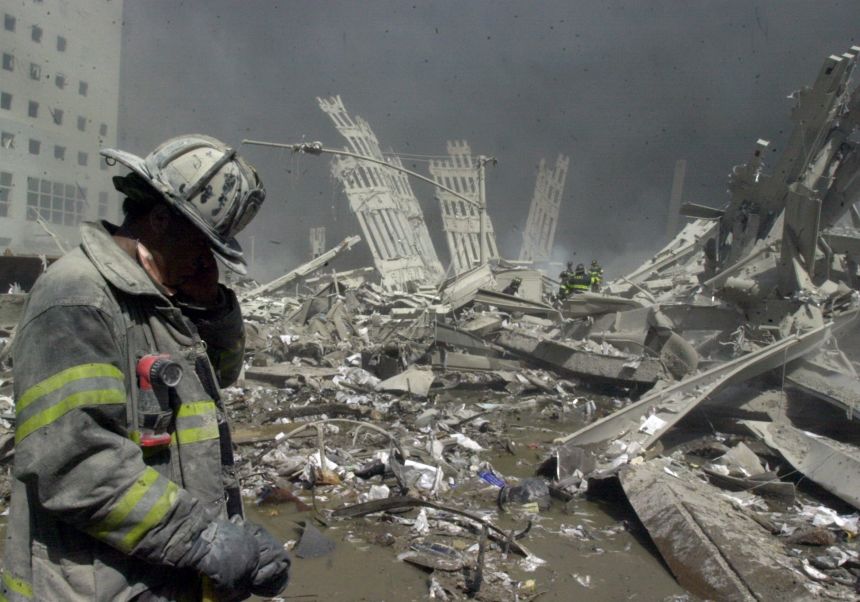
Folks, I’m sipping my coffee and reading about the 25th anniversary of 9/11, and I have to say, it’s wild to think about how much the world has changed since then. Even 25 years later, the planes keep crashing, and the towers keep falling – at least, that’s what it feels like when you’re scrolling through social media and seeing all the old footage and photos resurfacing. All across the web, people who are old enough to remember September 11, 2001, are rewatching the attacks and rereading about the aftermath, often via devices and platforms that didn’t exist 25 years ago.
But what really caught my attention is that some younger people are watching this footage for the very first time. I mean, can you imagine not knowing about 9/11 until now? It’s mind-boggling. Former New York City mayor Michael Bloomberg recently observed that more than 100 million Americans are too young to remember that day. Some of them are discovering the horrors of 9/11 now, clip by clip, on video sites like YouTube and TikTok.
Now, I’m not sure if this is a good thing or a bad thing, but it’s definitely interesting to see how people are consuming this content. The experience can feel transportive, with viewers traveling back in time to an era of VHS tapes and landline phones. But it can also feel disorienting and deceptive, with very little context separating the harrowing historical record from inane conspiracy theories. I mean, who needs fact-checking when you have YouTube, right?
There are many entry points, some more reliable (and respectful to the victims) than others. Personally, I recommend going the documentary route. The acclaimed film “9/11,” featuring rare footage of heroic firefighters inside the World Trade Center, is streaming on CNN All Access. But hey, if you want to watch some random YouTube video with a misleading title, be my guest.
Several major networks are also debuting new films timed to Friday’s 25th anniversary. The public interest is palpable. “Turning Point: Generation 9/11,” a new documentary about the anniversary, was Netflix’s no. 2 most-watched movie around the world last week. On Google, rising queries include “how many stairs did the firefighters climb” and “who were the hijackers” — perhaps a useful reminder for news organizations to re-share archival content.
Some outlets are already doing so. The CBS newsmagazine “60 Minutes” has been sharing clips from past 9/11 stories on its social media accounts all week long. The History Channel is resurfacing interviews with survivors since it is history now, after all. But it’s all being delivered by the same chaotic social media feeds that increasingly blur fact and fakery.
Random and anonymous X and Instagram accounts are capitalizing (some might say exploiting) the anniversary by posting old TV clips and tributes, but also, in some cases, unhinged lies and innuendo. Users who click into even a dryly factual 9/11-related post are likely to find a comments section littered with heinous conspiracy theories. The truth is out there, too, but people usually have to search for it.
When 9/11 becomes content fodder, it’s a whole different story. A frequent entry point is the raw video of the TV coverage from the morning of the attacks. On YouTube, some of the most popular searches relating to 9/11 are “9/11 news coverage as it happened” and “videos of the plane crash.” One YouTuber compiled playlists of apparently bootlegged 9/11 broadcasts. Another created a compelling “multi-view” showing eight channels’ coverage of the first 18 minutes of the disaster in New York.
People in New York City looked up in shock and dismay; people everywhere else watched their favorite anchors on old-fashioned television sets and looked for updates on very rudimentary versions of news websites. There were no live-streams, no tweets, no… well, you get the idea. “Yes, there were toxic rumors and conspiracies even without the yet-to-be-invented Facebook and X,” former TIME editor Nancy Gibbs wrote. “But compared with what has transpired since then, the information landscape looks practically pristine.”
If you’re interested in reading more about the TV coverage, I wrote in great detail years ago about what happened inside the network control rooms on 9/11. I noted that the attack presented TV producers with a stark new test for prospective anchors: “Would you want them on the air on 9/11?” That day, news anchors like Tom Brokaw, Peter Jennings and Dan Rather were, as historian Garrett Graff once said, “the closest thing that America had to national leaders… fulfilling a very historical role of basically counseling the country through this tragedy.”
The fact that the as-it-happened coverage gets shared and streamed 25 years later is a testament to that, as well. The live TV coverage on 9/11 contained moments of misreporting, which was inevitable considering the chaotic circumstances. But conspiracy theorists have seized on the tapes of those misstatements — along with some routine technical glitches and low-resolution video clips — as supposed evidence for a range of false claims about the attacks.
The “conspiracy theories that circulate about the 9/11 attacks are anything but harmless,” James M. Lindsay of the Council on Foreign Relations wrote. “They help to delegitimize democratic government. They demonize innocent groups that are falsely blamed. And they shift attention away from the real causes and perpetrators.” Lindsay helpfully published a list of ten resources for debunking the most persistent falsehoods related to the attacks.
When the images had gatekeepers, things were different. In 2001, major media outlets mostly controlled the images that were transmitted to the public. TV networks pointedly refrained from showing photos and videos of people falling and jumping from the towers. Associated Press photographer Richard Drew’s iconic “Falling Man” photo “ran once” in most newspapers “and never again,” Tom Junod wrote in a feature for Esquire that gets widely shared on social media on every 9/11 anniversary.
Newspapers that showed the photo, he wrote, “were forced to defend themselves against charges that they exploited a man’s death, stripped him of his dignity, invaded his privacy, turned tragedy into leering pornography.” The debates didn’t end there. There were lengthy discussions about whether, when and how the TV networks should show other potentially traumatic content, like videos of the planes hitting the towers. To this day, networks like CNN are sensitive to those concerns and are thoughtful about when the most intense scenes are shown.
But on YouTube and a phalanx of other sites that were launched years after 9/11, there’s no editor to think through the sensitivities and no end to the looped video clips. Today, as algorithms resurface all this content, and as some people see the falling man for the first time, I’m left wondering: What’s the psychological toll of one generation’s most traumatic memory becoming another generation’s TikTok content?
In conclusion, the 25th anniversary of 9/11 is a solemn reminder of the tragedy that occurred on that day. As we reflect on the past, it’s essential to consider the impact of social media on how we consume and process information about traumatic events. The fact that younger generations are discovering 9/11 through online content raises important questions about the role of technology in shaping our understanding of history. And let’s be real, folks, if you’re going to watch 9/11 footage on TikTok, at least have the decency to use a respectful hashtag – don’t make me come over there and take away your phone! 🙄

Armchair patriot. Believes in the free market, cold beer, and that there’s always a guy named George behind every CNN segment.
Former remote-throwing champion turned #1 couch commentator on liberal panic in the media. Born in Texas (or so his mug says), he earned a degree in Fake Newsology & Beer Philosophy from YouTube University.
⚖️ ENTER THE LEGALIZER
Think the government has no idea what it's doing? Put your case before the Federal Case Terminal and find out.